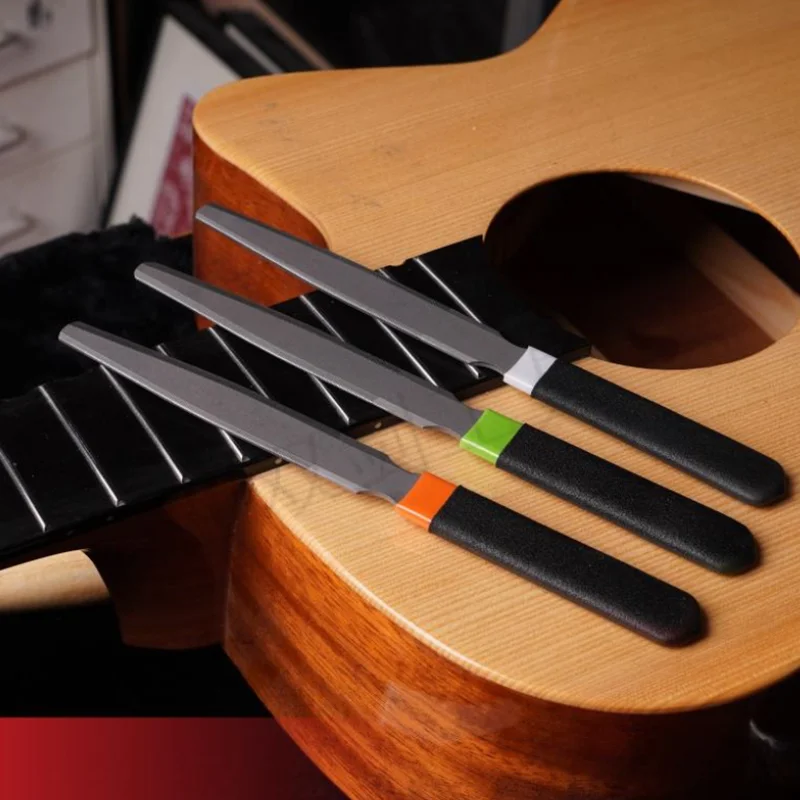
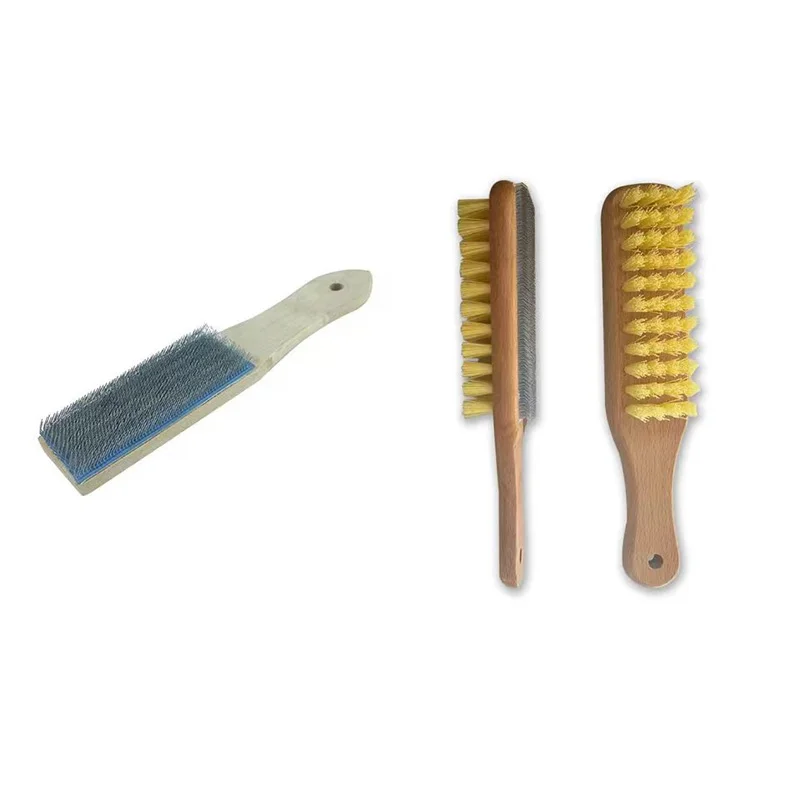
High-carbon tool steel
High-carbon tool steel is used for many steel hoof rasps. Include the grade, required finished hardness or applicable specification if your drawing calls for one.
File & Rasp Manufacturing in China
Hoofrasp makes farrier hoof rasps, metalworking files and wood rasps in China for wholesale and custom orders. Send a sample or drawing, the tooth pattern you need and your order quantity to discuss a quote.
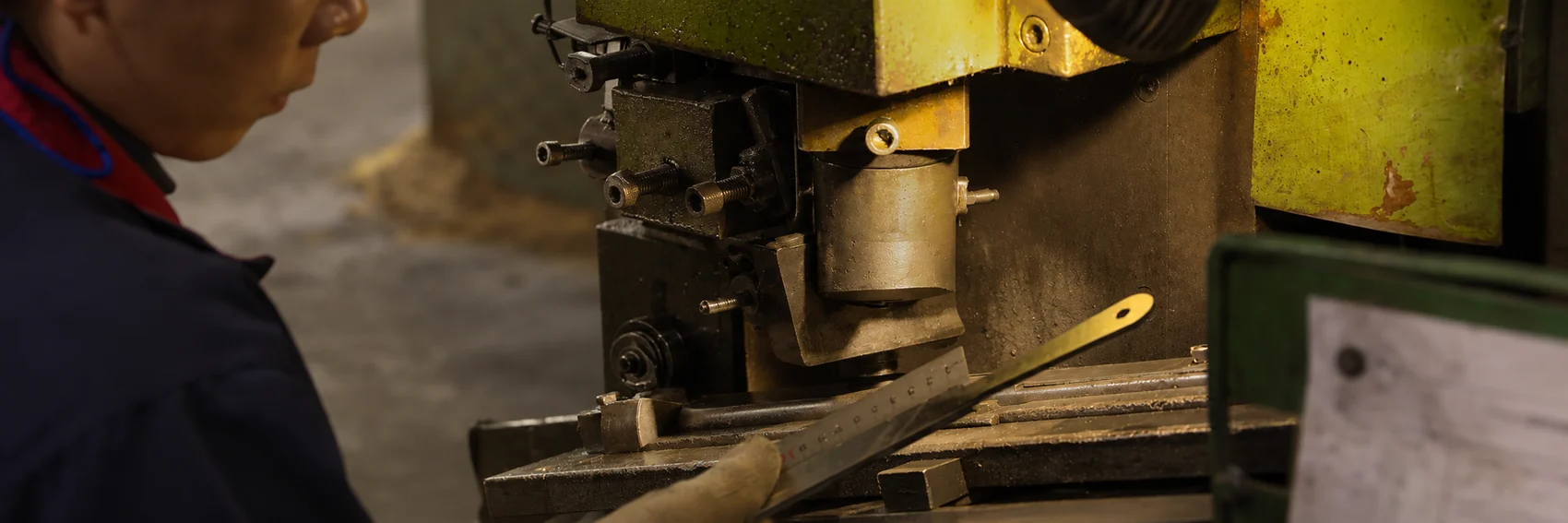
See reference views of a file factory, material checks, test equipment and the finished cutting face.
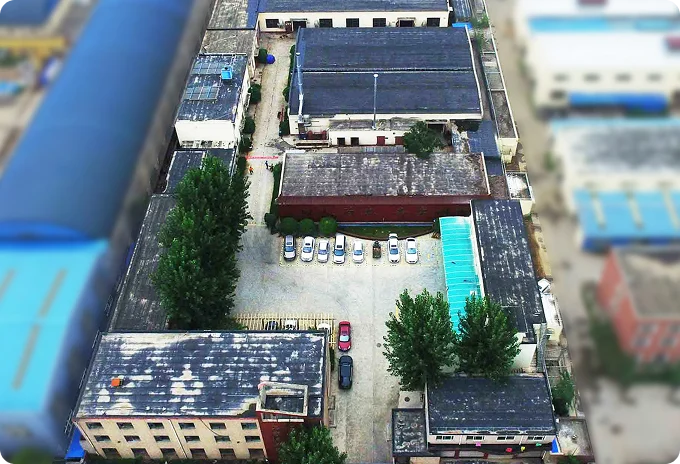
An aerial reference view of the file manufacturer credited below.
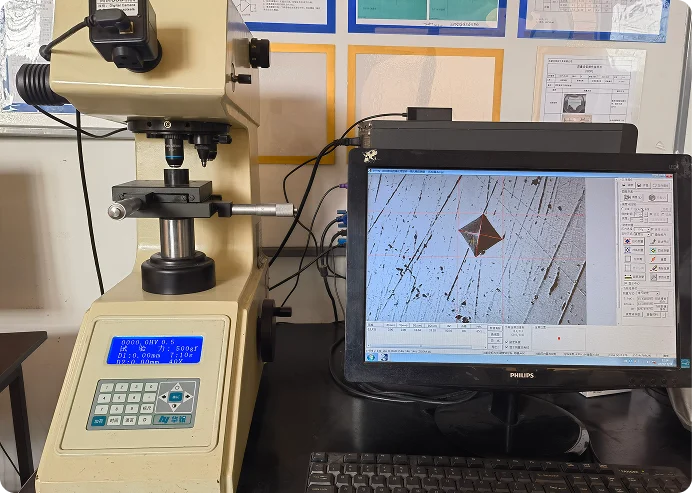
An indentation on a prepared sample is one way to assess the material. Include the required steel grade when you request a quote.
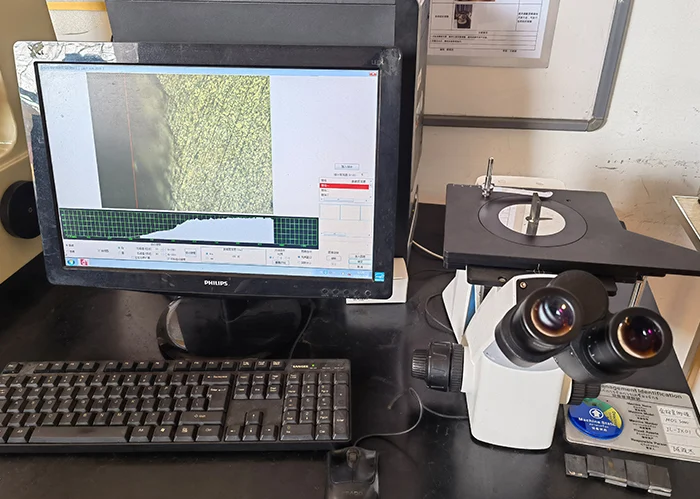
A metallographic microscope displays the structure of a prepared steel sample after annealing.
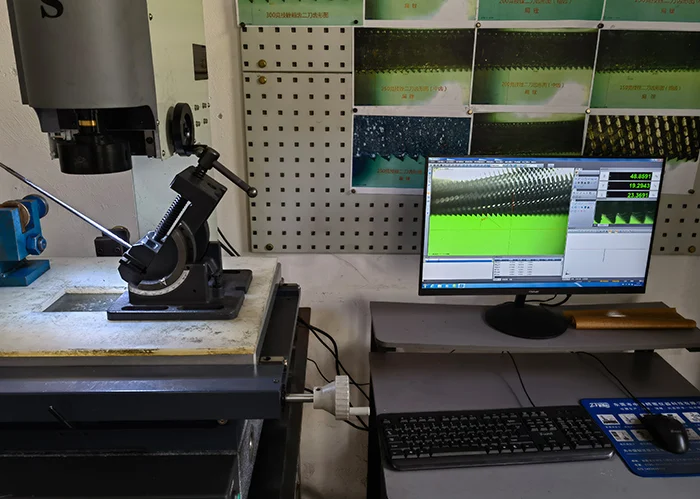
A magnified view shows the spacing and form of the teeth. For a double-sided hoof rasp, specify the cut you need on each face.
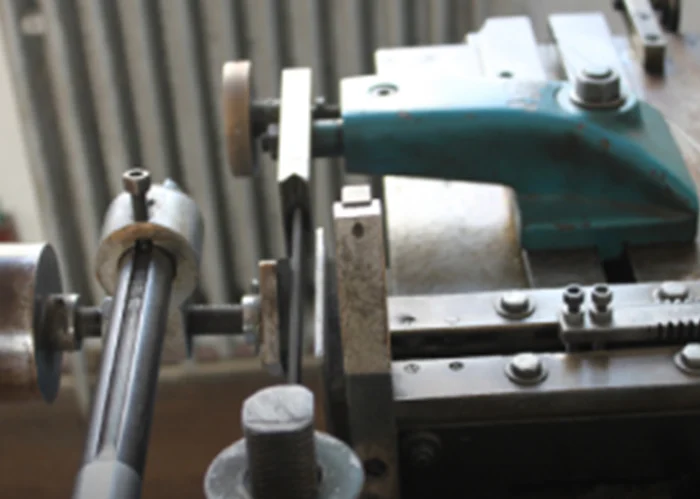
A fixture holds the file for a cutting test. Tell us what the tool will cut and what finish you need when requesting a sample.
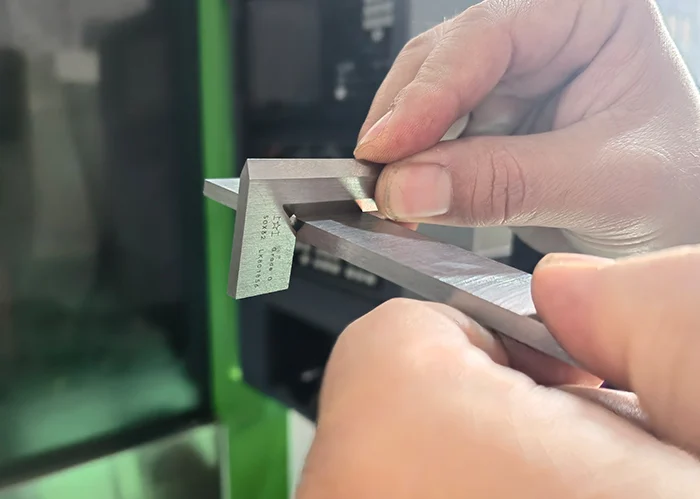
A profile gauge checks the shape of the tool. A drawing or sample helps define working length, width and profile.
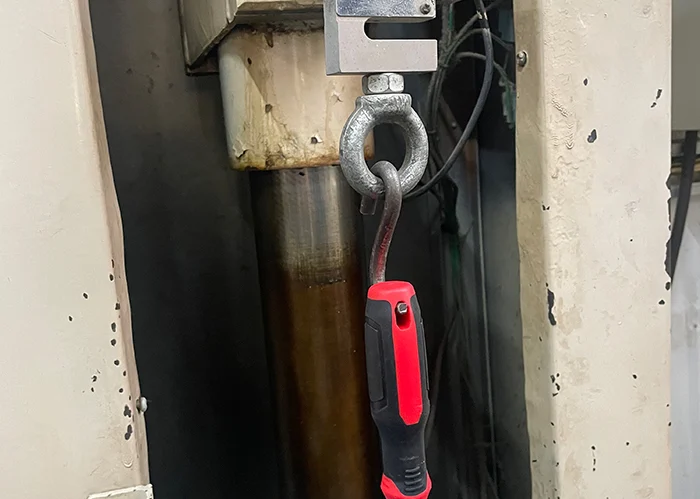
A pull test assesses the attachment between the tang and handle on assembled models.
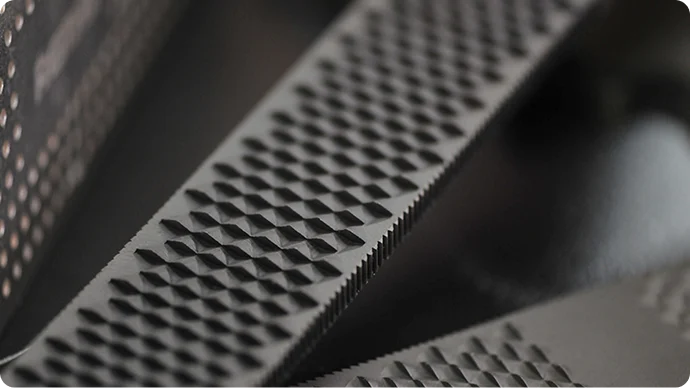
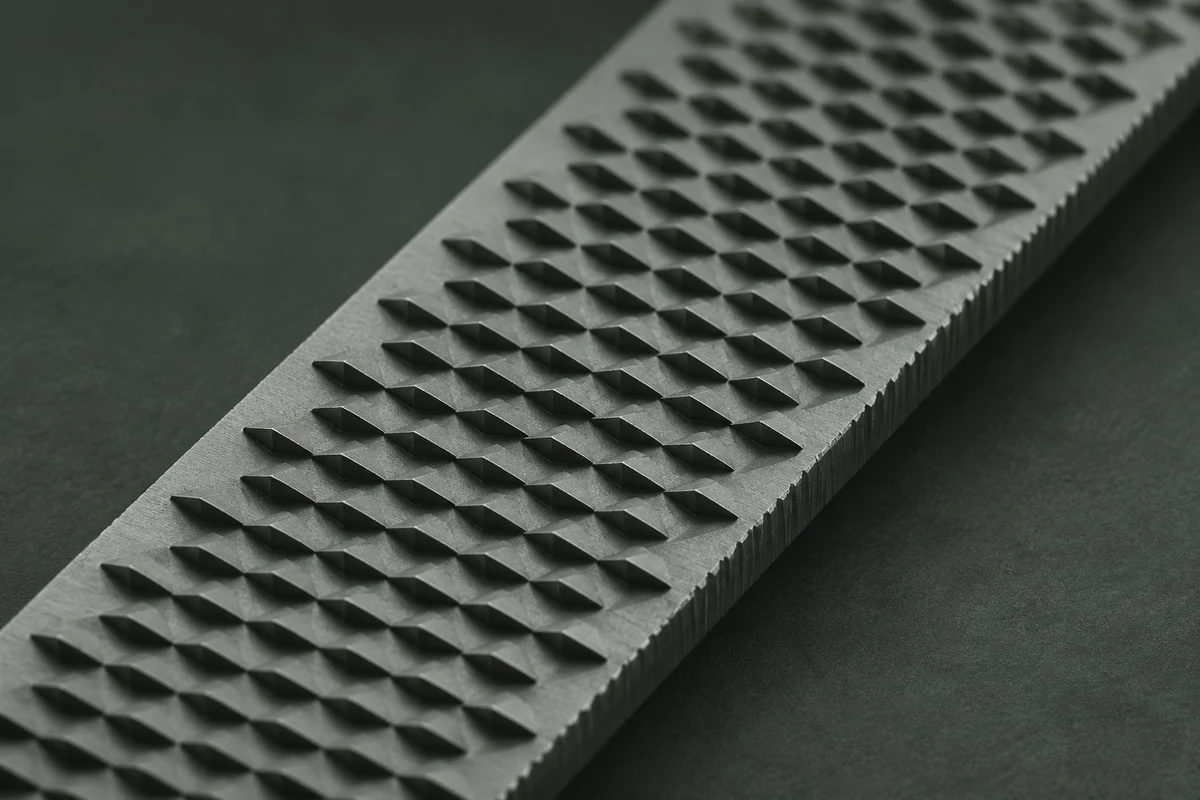
The finished face has individually raised teeth for removing material. A finer file face can be used for smoothing.
Factory, inspection and rasp reference photographs from Shijiazhuang Shuangjian Tools.
A typical production sequence for steel hoof rasps. The exact machining, heat treatment and inspections depend on the model and agreed specification.
Choose the steel grade and blank dimensions for the intended working profile and hardness.
Form the profile and tang, then machine or grind the surfaces that will carry the teeth.
Punch raised rasp teeth or cut the finer file pattern. A double-sided model can use a different cut on each face.
Use the heat-treatment sequence appropriate to the steel and model. Finish the surfaces and confirm any corrosion-protection requirement.
Check the required dimensions and tooth pattern. Agree on any hardness or cutting-performance tests for the order.
Identify models and quantities and confirm the packaging and label details before packing.
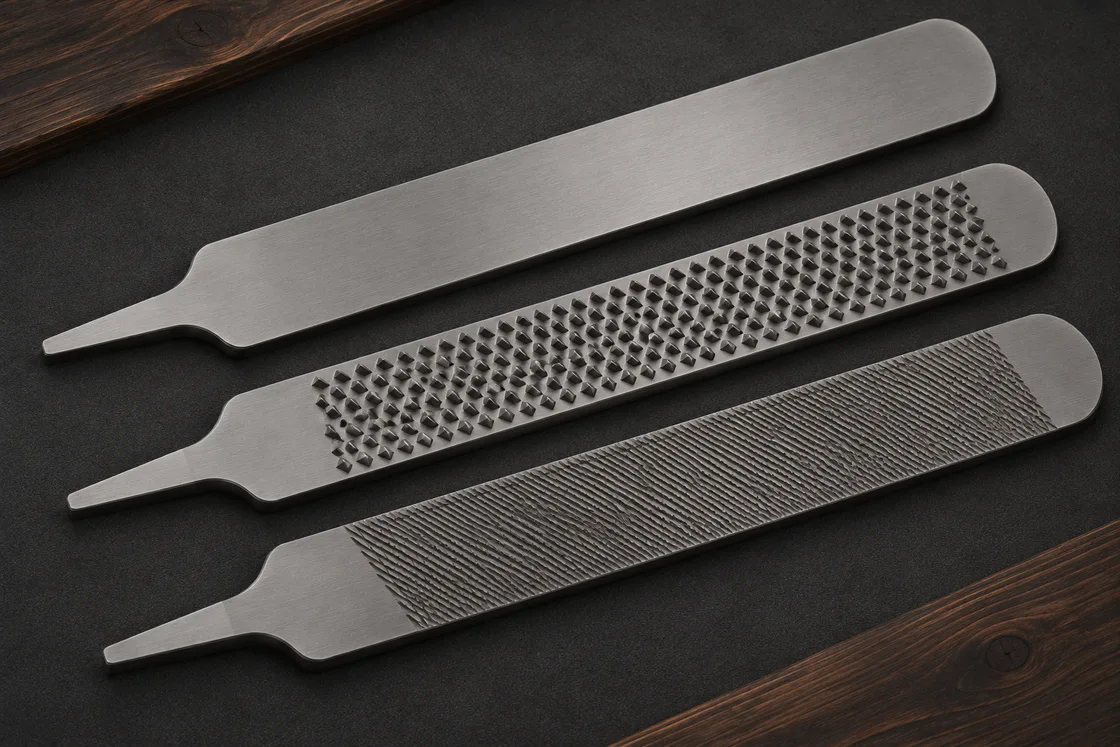
Agree on the specification that the sample and the wholesale order should meet.
High-carbon tool steel is used for many steel hoof rasps. Include the grade, required finished hardness or applicable specification if your drawing calls for one.
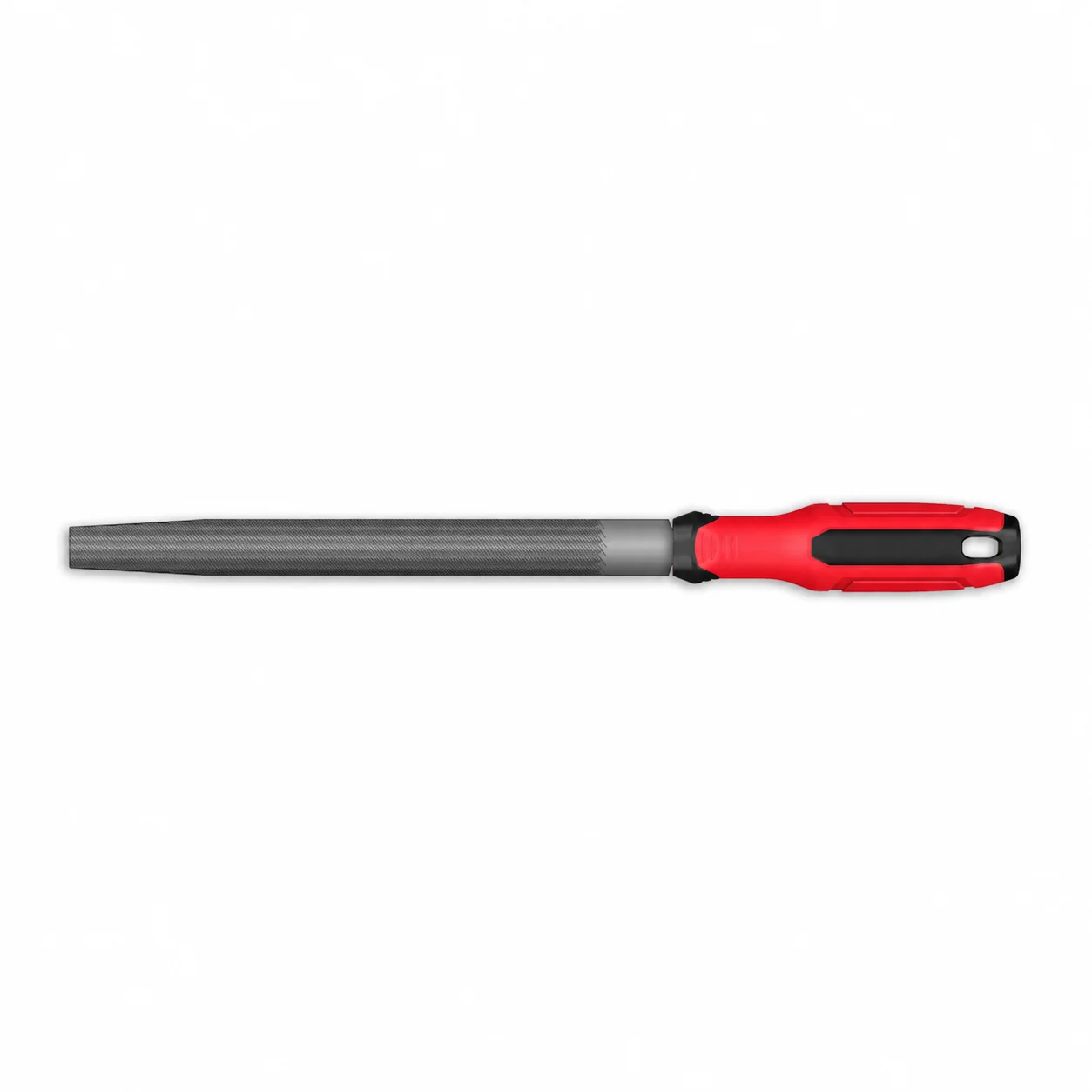
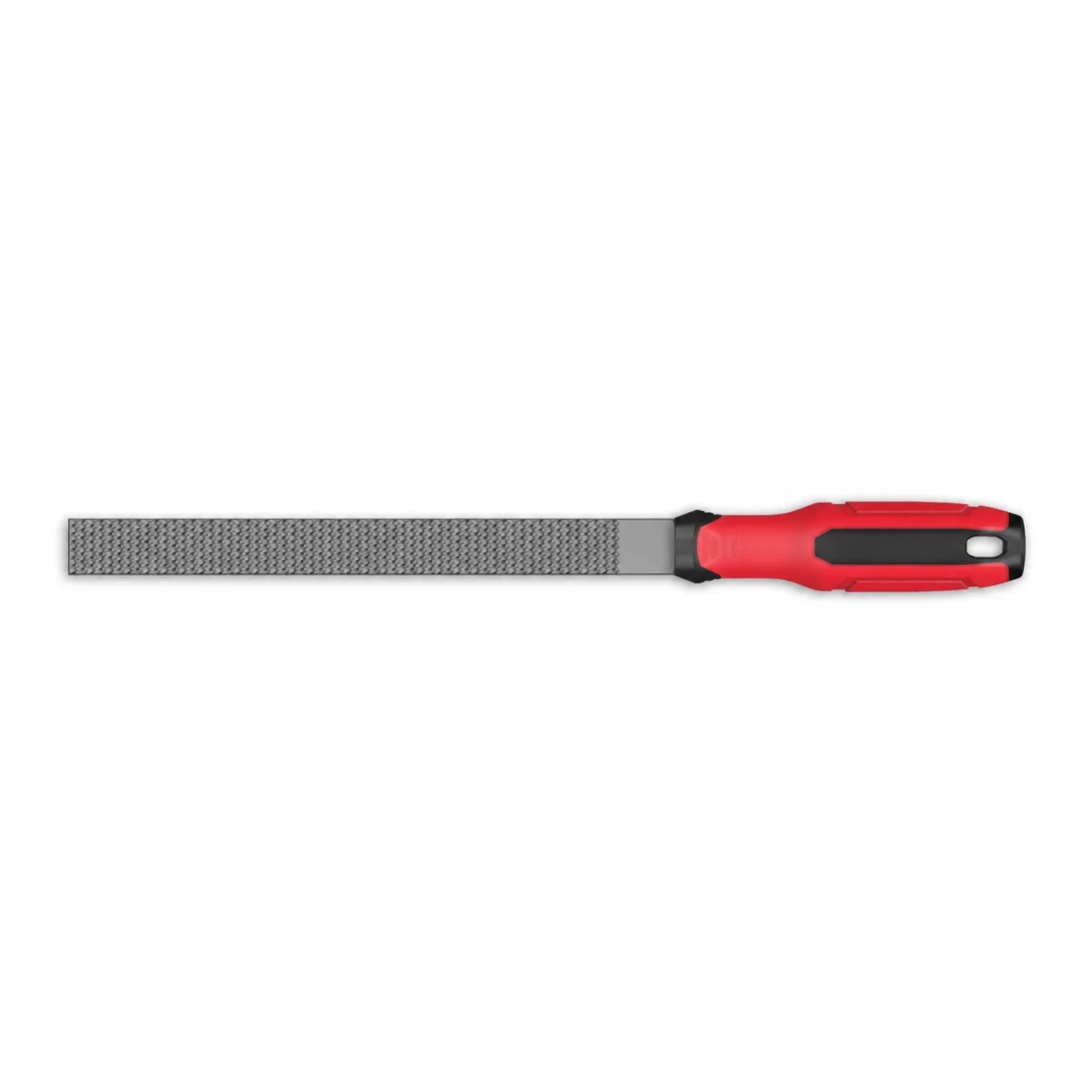
Individually raised teeth remove hoof material quickly. Finer single-cut or double-cut file patterns suit different finishing needs. Specify the face and coarseness you want on each side.
Confirm working length, width, thickness and tang shape. Include the surface finish, rust protection and package requirements you want quoted.
Compare cut, shape and grip across the range.
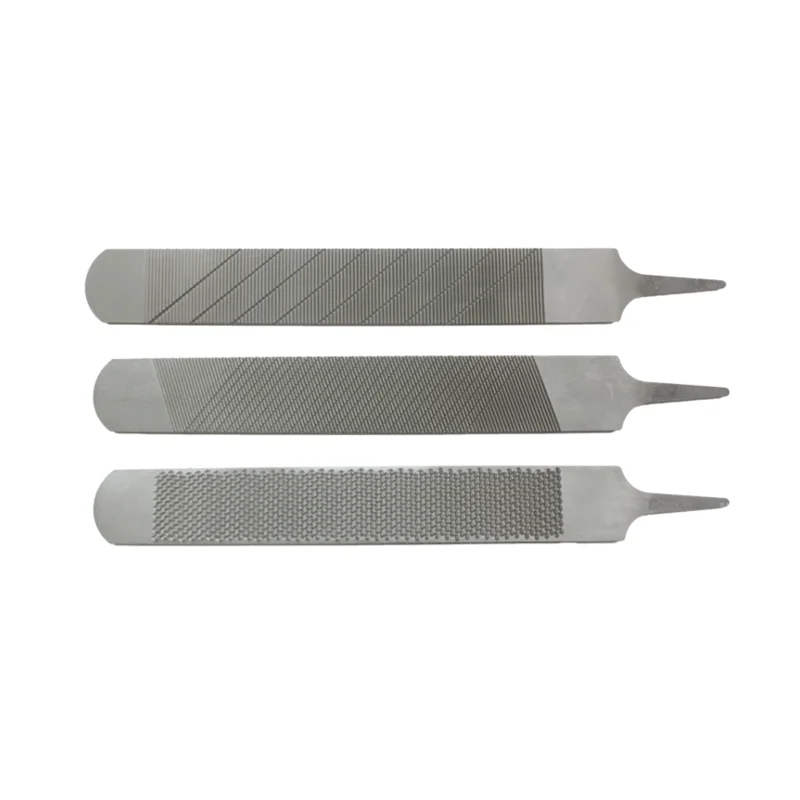 Double-Sided Horse Hoof Rasp for Farrier Trimming and FinishingView product→
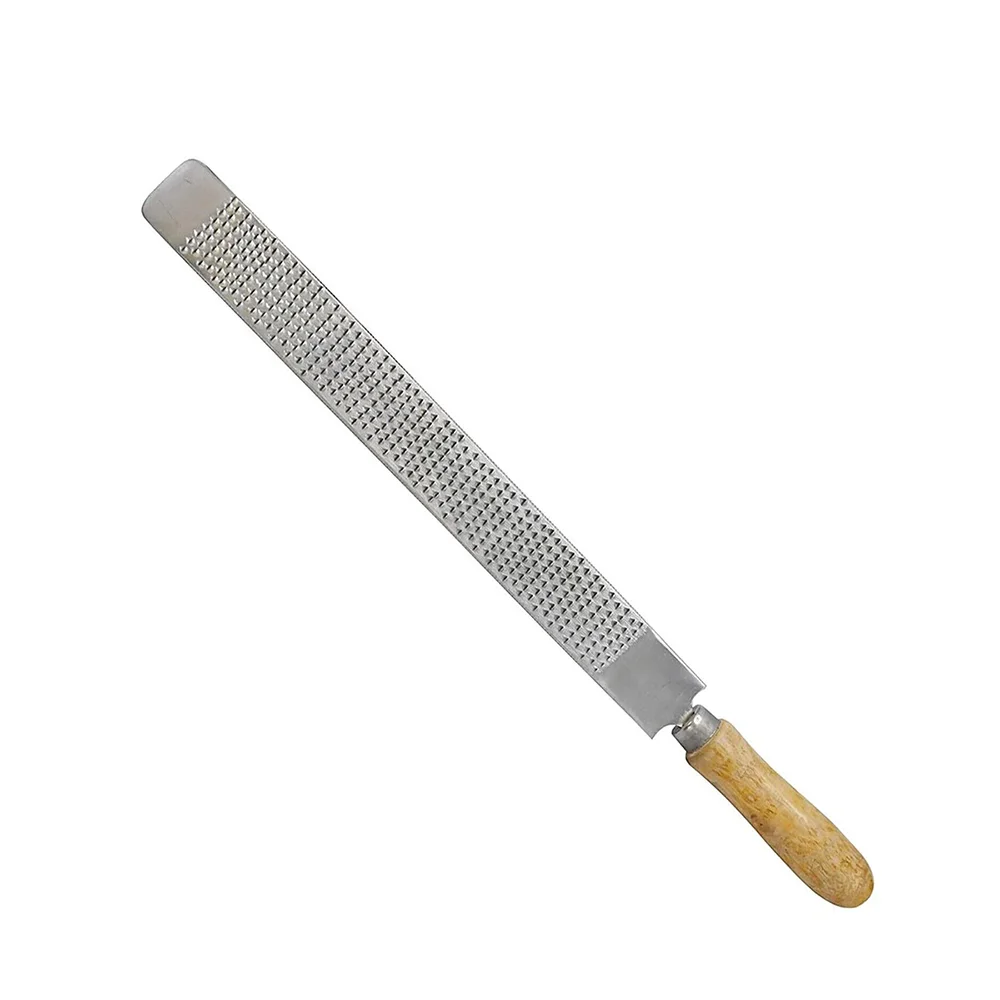 Stainless Steel Farrier Hoof Rasp with Wooden Handle for HorsesView product→
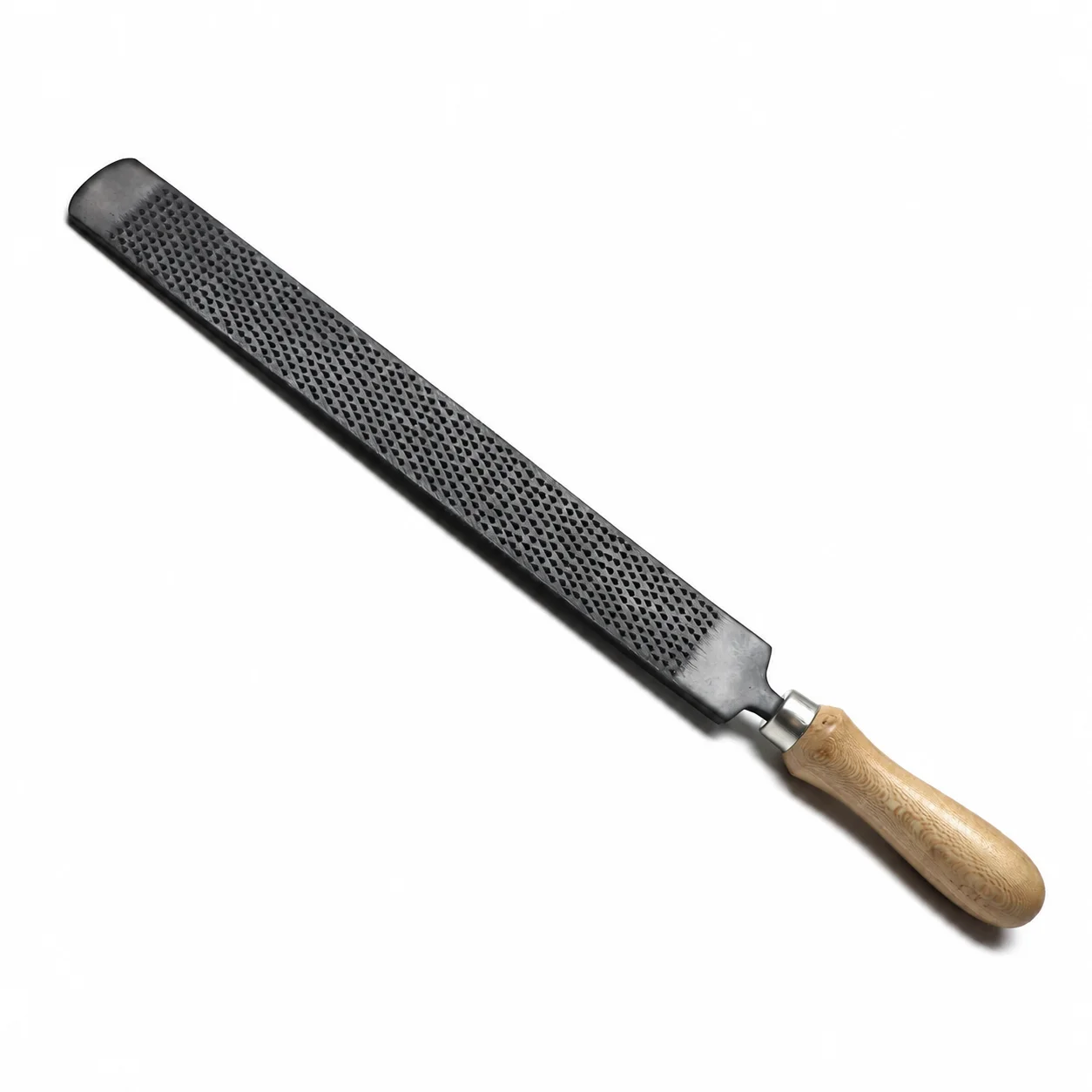 16-Inch Coarse Double-Sided Stainless Steel Hoof Rasp for FarriersView product→
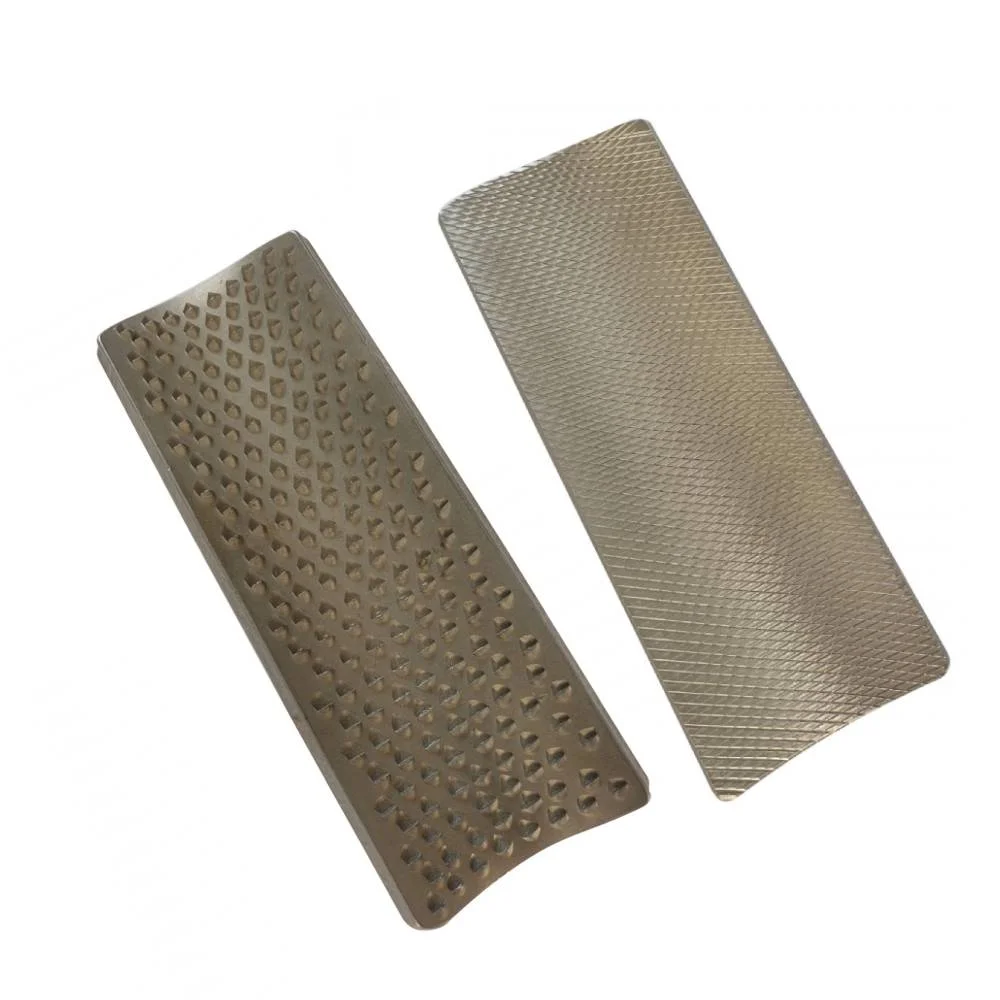 Curved Stainless Steel Hoof Radius Rasp with Coarse and Fine TeethView product→
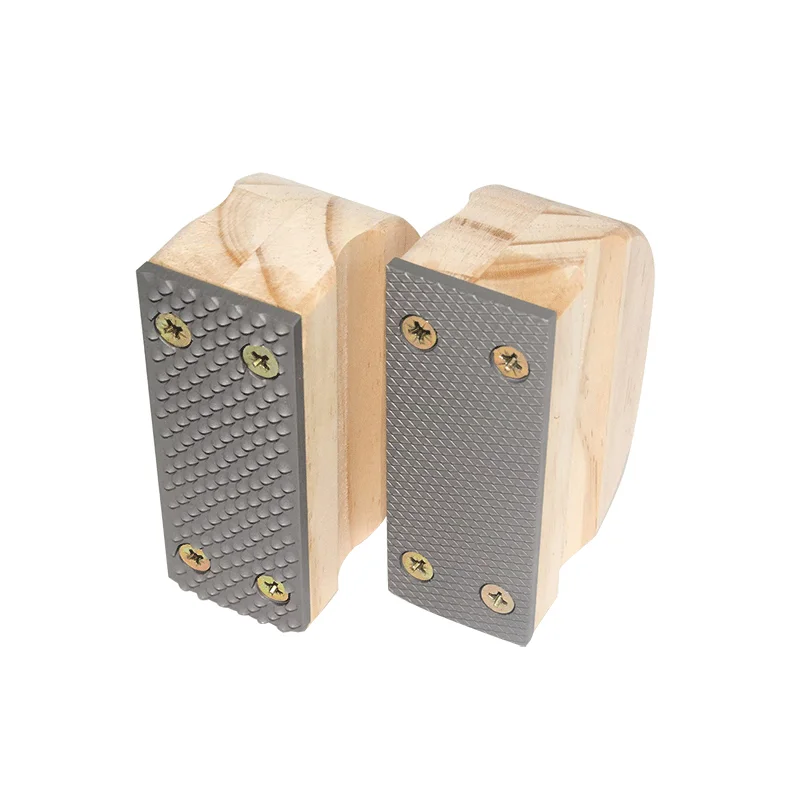 4-Inch Flat Block Hoof Rasp for Horse Hoof LevelingView product→
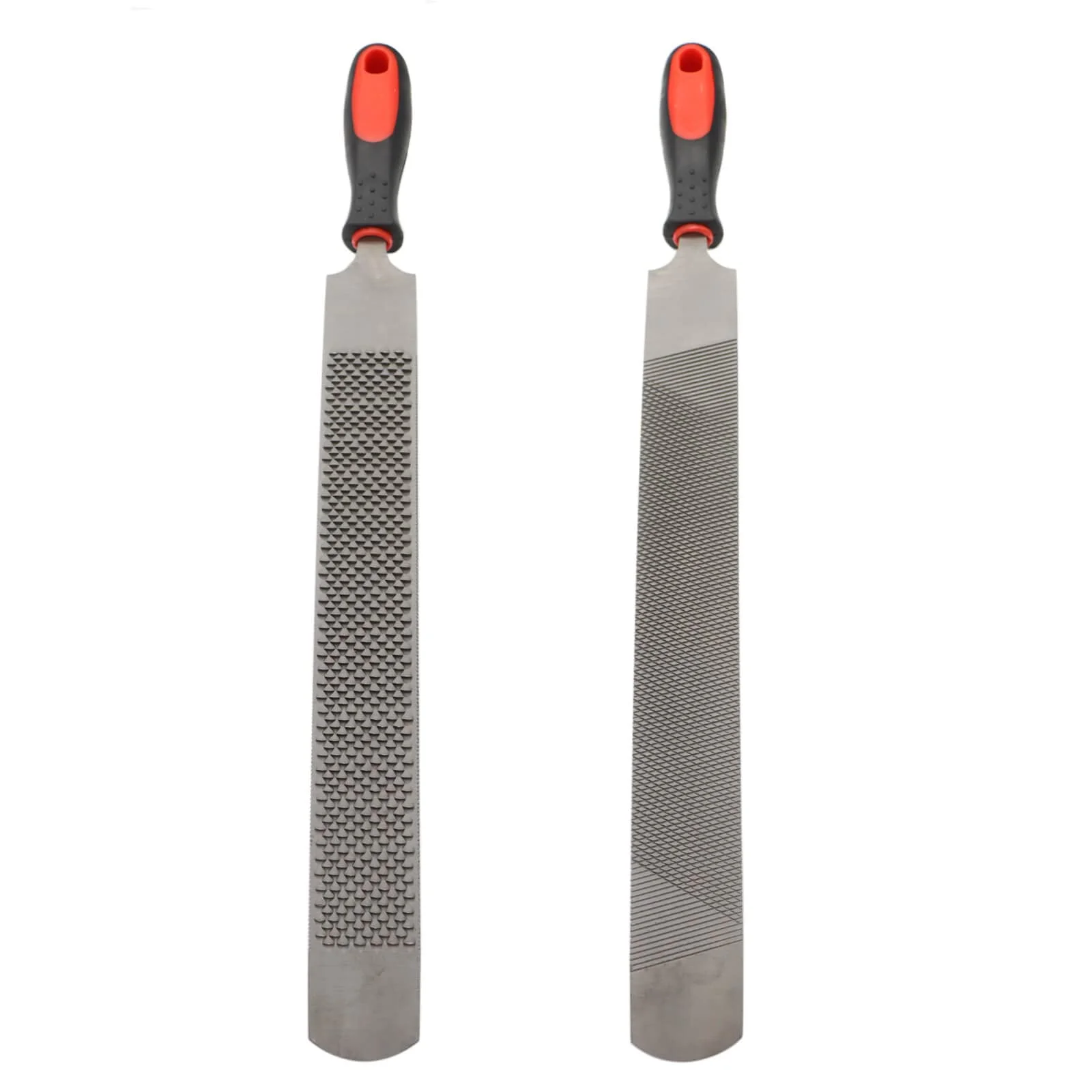 Mini Double-Sided Steel Hoof Rasp with Rubber Handle for FarriersView product→
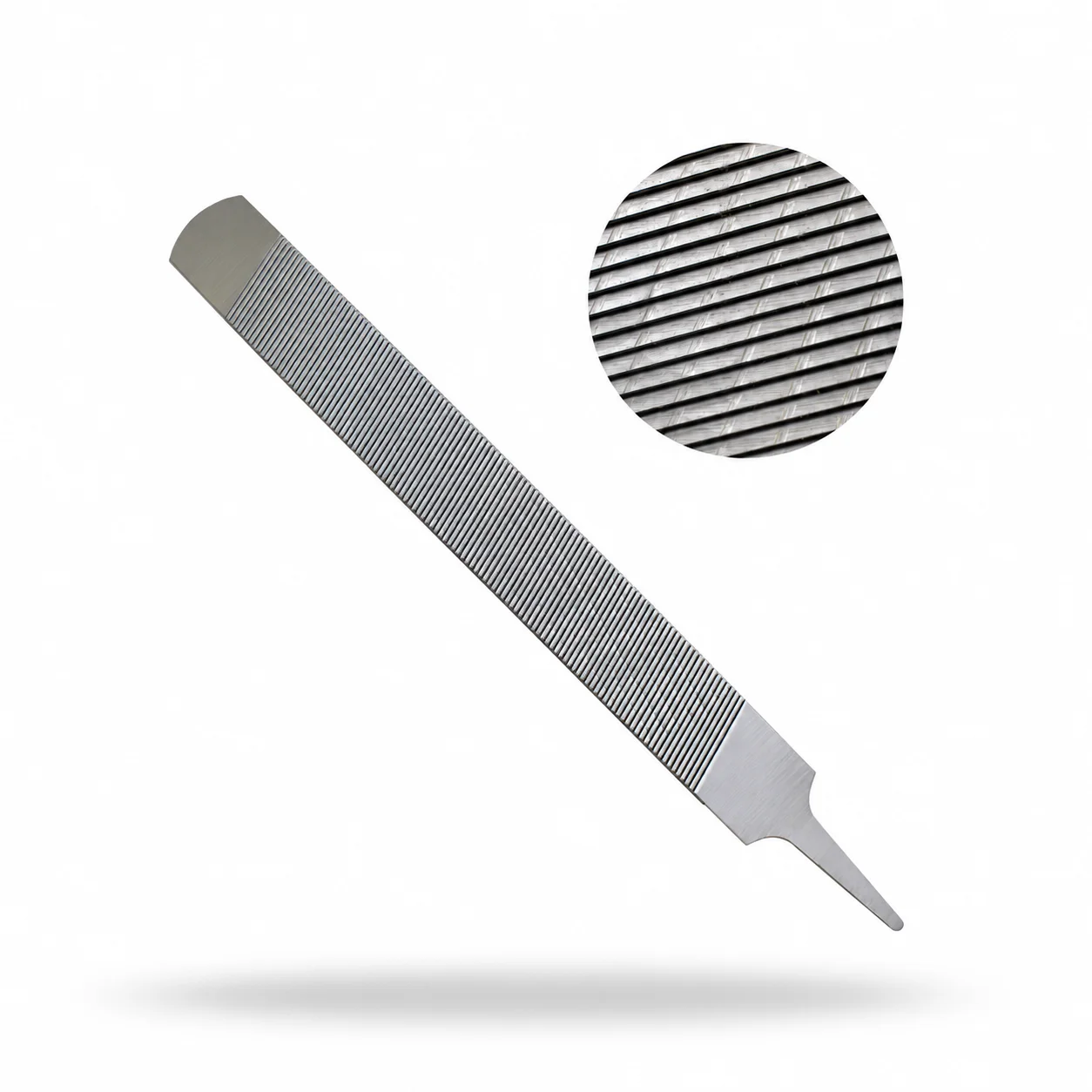 14-Inch Farrier Finishing File for Smoothing Horse Hoof SurfacesView product→
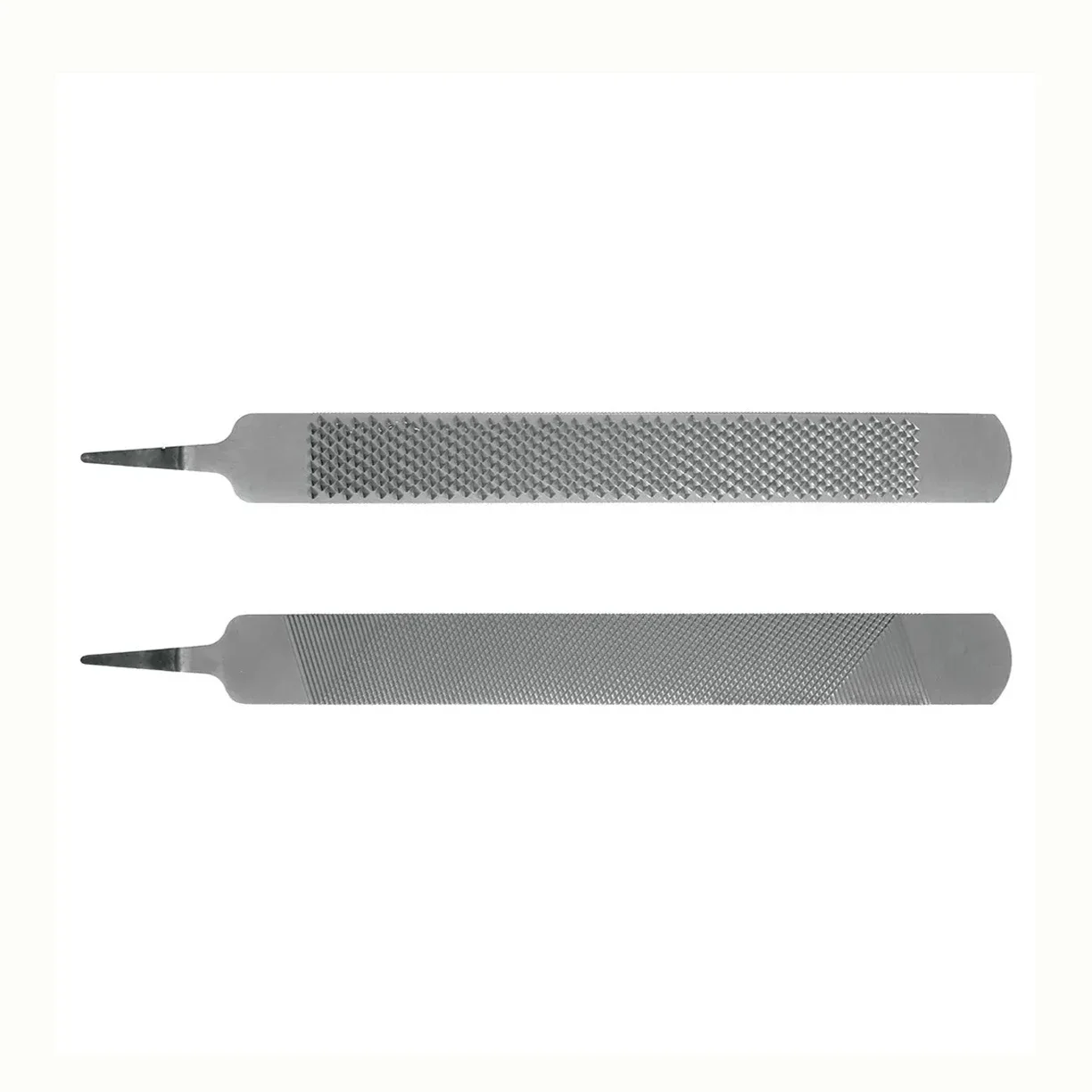 Stainless Steel Farrier Hoof Finishing Rasp for Equine Hoof CareView product→
Choose a starting point by the material or tool you work on.
For wholesale or custom orders, send a drawing, sample or product photo. Include these details so we can discuss the right specification and quote.
Yes. Hoofrasp supplies steel farrier hoof rasps from China for wholesale and custom orders, alongside other hand files and rasps. Send the model or working profile you are sourcing.
Yes. Send a drawing, reference sample or clear photos of both faces. Mark the working length, width, thickness, tang shape and the tooth pattern you need on each face.
The raised rasp teeth are typically used for quicker removal. The finer file face is used to smooth the surface. Compare the available cuts and confirm the pattern for both faces before ordering.
Many steel hoof rasps use high-carbon tool steel. If your application requires a particular grade or hardness range, specify it in the inquiry so it can be checked for the requested model.
Compare the working dimensions, profile, tooth pattern and finish with your drawing or reference. State any hardness or cutting-performance checks you need when you request the sample.
Include the handle style, pack size and label requirements in your inquiry. Share your artwork if you need branded packaging so the available options can be confirmed.
They depend on the model, quantities and custom requirements. Provide the expected quantities by model and any timing requirements so they can be confirmed with the quote.
List the models or working dimensions, quantity by model, any special specifications and the shipping destination. A drawing or sample helps if the order is custom.