
Hoof Rasp Sample Approval and Batch Quality
Use one approved specification for each repeat-order hoof rasp. For the flat double-sided model, the 14-inch table lists 350 mm nominal length, 45 or 50 mm width and 4.8 mm thickness. An approval record identifies which row you sampled, where you measured it and which working-face and handle configuration you accepted.
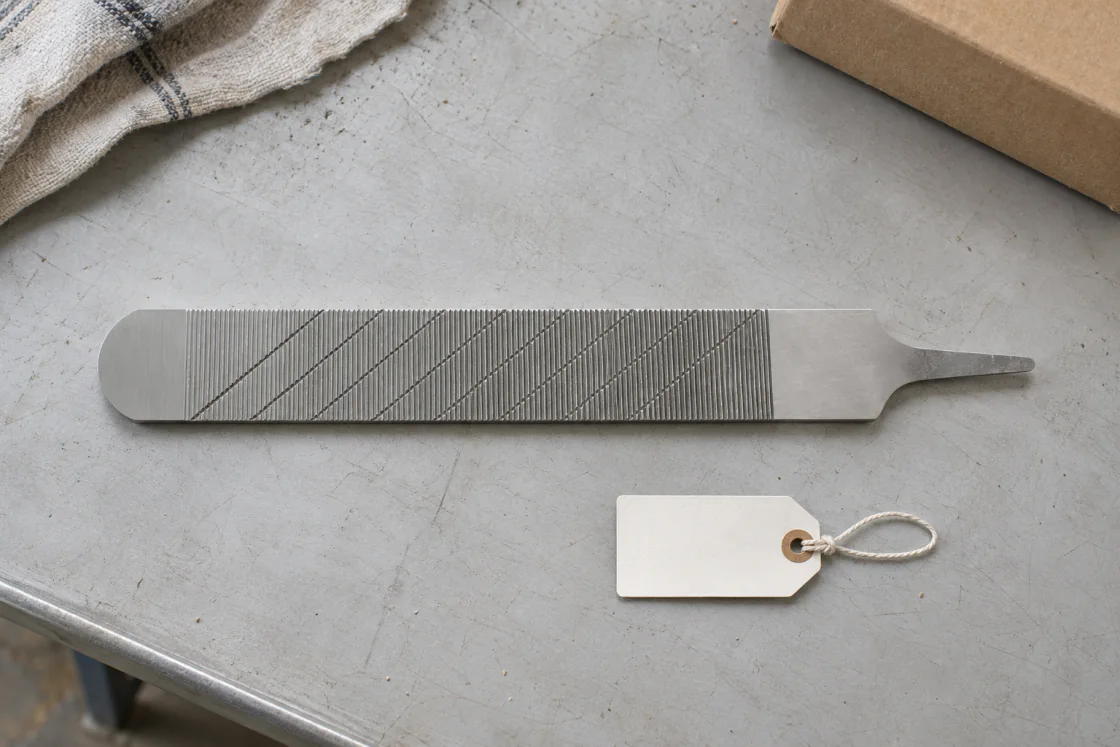
A Sample Record Built from the Catalogue
This is an example of the fields to carry into your order. The values below describe a catalogue configuration. Record approved measurements and tolerances separately.
| Field | Reference for the flat 14-inch model | Add to your approval record |
|---|---|---|
| Nominal length | 350 mm shown for the 14-inch row | Mark the endpoints and measure both active faces |
| Width and thickness | 45 or 50 mm, 4.8 mm thickness listed | Choose one width and identify the measuring points |
| Tooth configuration | Chopped or milled options, with coarse and fine faces described | Record face A and face B, and attach each photo |
| Material and hardness | Alloy steel, catalogue range HRC 55–62 | Agree the relevance of the range, test position and lot report |
Measured Faces and a Consistent Reference Point
Measure working width and thickness where both sides of the order agree to read them. For the double-sided model above, catalogue rows include 45 and 50 mm widths. The signed-off width belongs on the order line for your configuration.
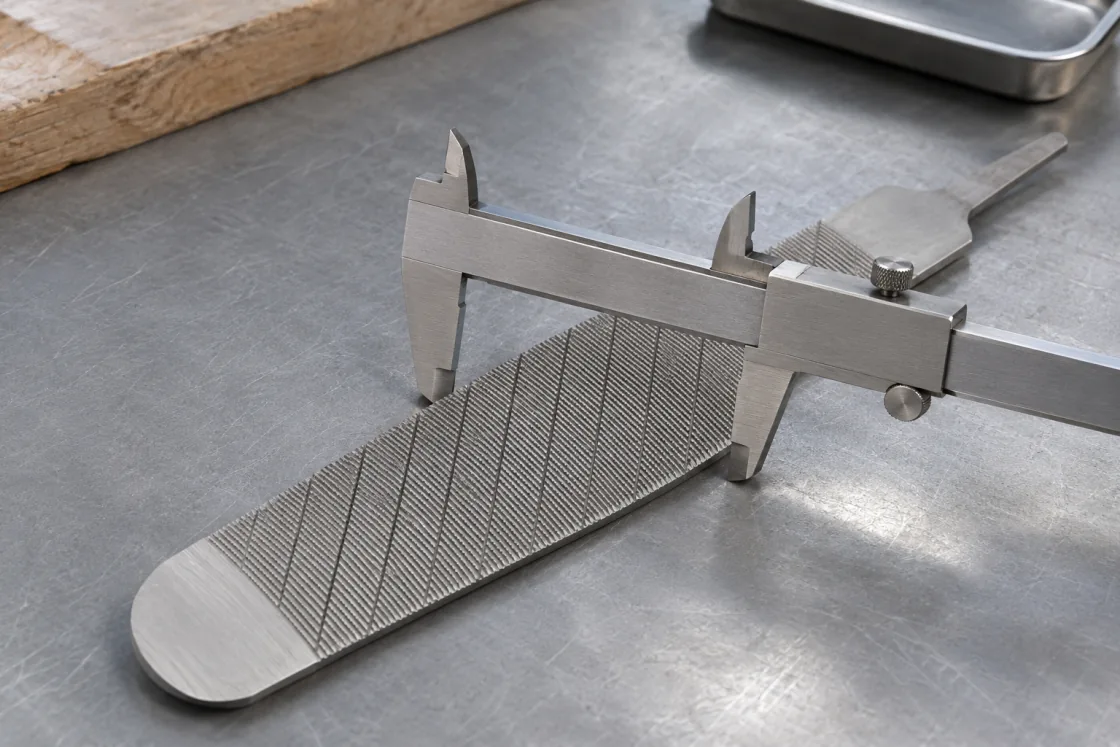
Batch Inspection Inputs
A batch inspection is comparable when the acceptance criteria, measuring point, sampling rule and kit assembly are written down. Match the drawing revision and lot identity before you compare readings. Where hardness forms part of the purchase specification, request the result and test location for that lot.
- Blade dimensions
- Read width and thickness at the approved points
- Tooth face
- Check assigned cut and retained sample appearance
- Hardness
- Use the agreed scale and test position
- Carton ID
- Match the lot or order reference used on the paperwork
Handle and Tang Consistency
Include the tang or supplied grip in the approved sample. Our rubber-grip double-sided rasp and unhandled forms give two different configurations to document. Photograph the interface and note how you will evaluate fit across reorders.
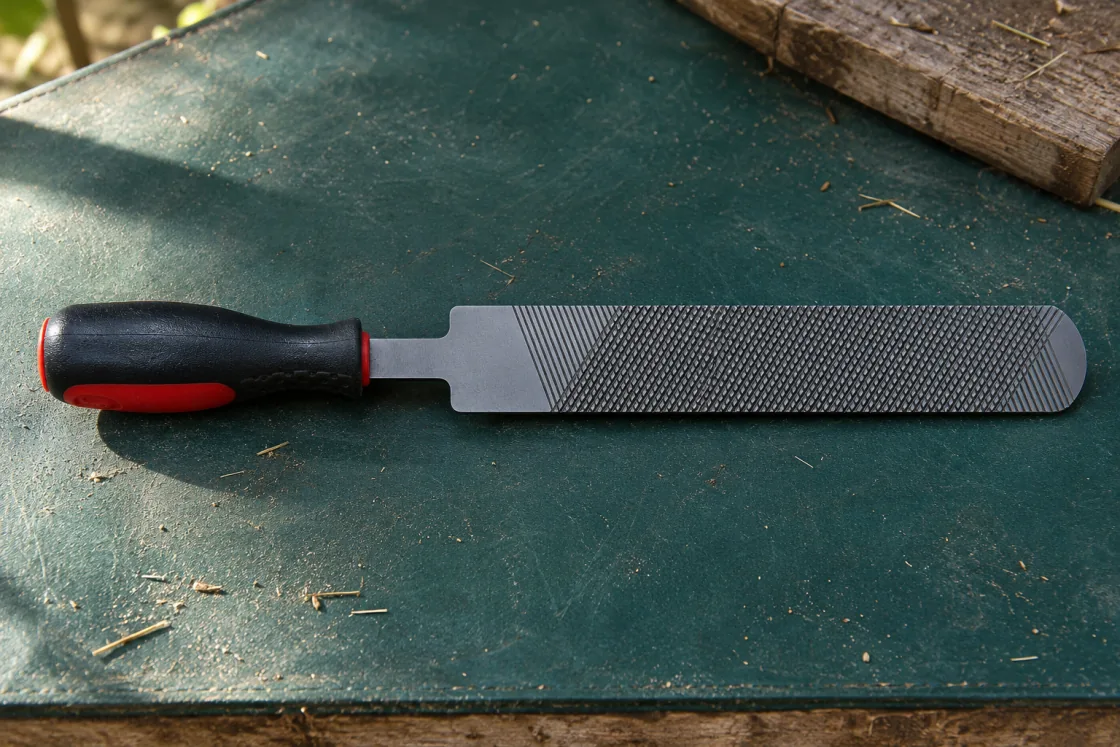
A Controlled Change Between Orders
A specification change is easiest to manage before the next batch starts. Keep the approved version with the purchase order and agree which changes require a fresh sample. A new face pattern, handle or carton label can affect different parts of the order.
- Log the change
- State the affected model and revision
- Check the impact
- Review faces, fit, labels or packing
- Approve the next version
- Retain the updated sample or document
Evidence for a Batch Review
A catalogue specification helps define what to measure. Ask for whatever batch evidence your purchasing policy calls for, and agree its scope before production. Keep acceptance records and any retained sample tied to the same lot reference.
- Specification
- Agreed settings and tolerances
- Evidence
- Dated sample, readings and lot reference when required
Lot Information at Receiving
You can make receiving quicker by matching the carton label to the purchase order, then sampling against the approved record. Keep good photos of the carton and item together so a follow-up can focus on the exact batch.
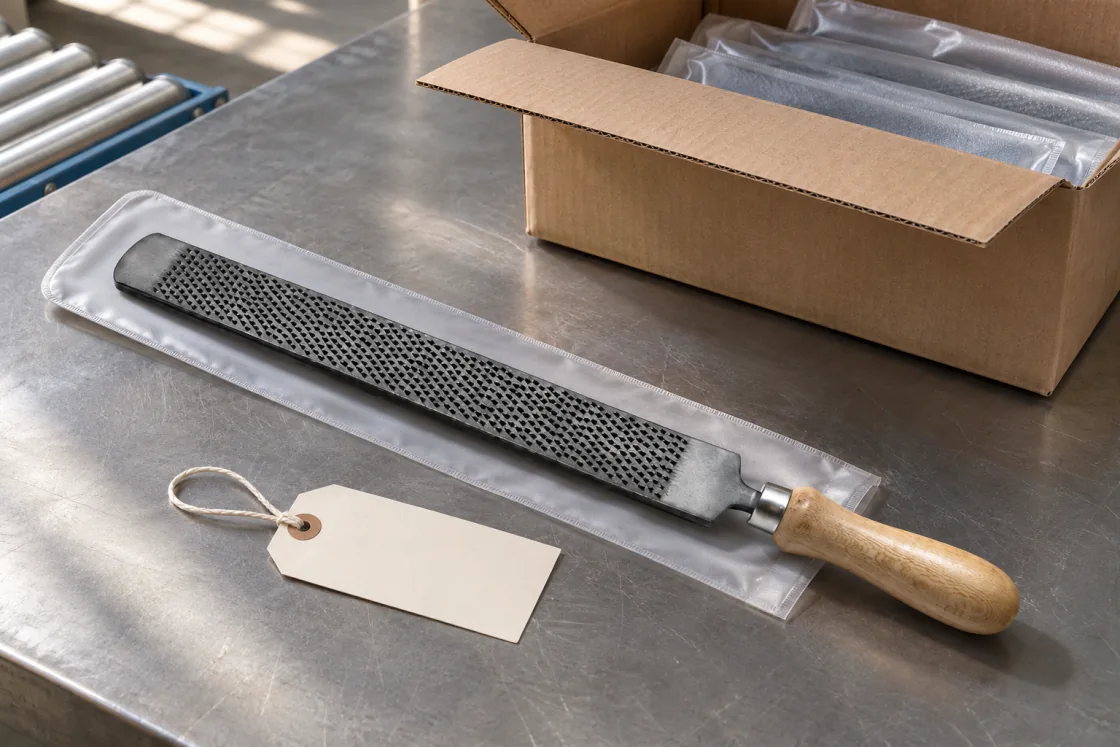
A Record That Helps Resolve a Batch Difference
If a received blade was ordered as the 50 mm configuration but the measured face differs from your accepted sample, report the model, batch or carton, measuring point and number affected. Compare both tools at the same point before agreeing whether it is a measurement or a production issue.
- Order line
- Confirmed configuration and revision
- Observed value
- Reading, measuring location and tool used
- Evidence set
- Face photos, carton identity and affected count
The Next Repeat-Order Specification
Send the model, your critical measurements, target quantity and inspection requirements. We can discuss the sample and order details against the same specification.