
Replacement Hoof Rasps from an Existing Sample
A discontinued rasp can often be compared against a catalogue candidate using a reference tool, two face photos and a measured outline. The listed 14-inch flat double-sided model is a useful illustration. It has different 45 and 50 mm rows at the same 350 mm nominal length. The original’s width, heel and grip fit matter as much as the length on its label.
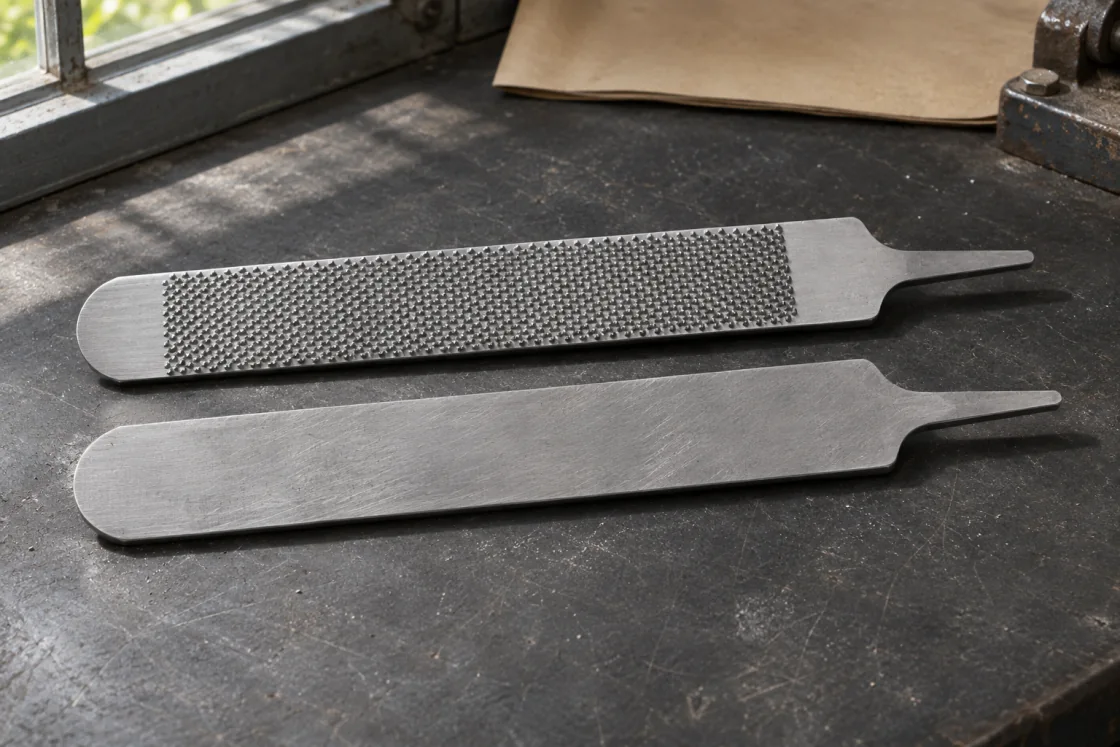
Measurements That Identify a Replacement
Separate the measurements of the original from the candidate catalogue details. The position of each measuring point belongs on the record.
| Original feature | Catalogue candidate | What to record before a pilot |
|---|---|---|
| Blade width, thickness and length | Flat model lists 45 / 50 mm and 4.8 mm thickness | Read width at a named point and mark both active face limits |
| Length and straight profile | KD939A straight rasp lists 14 and 16 in | State nominal and active tooth lengths separately |
| Existing grip interface | Handleless stainless model is listed without a handle | Measure tang root, tip, thickness and shoulder fit |
| Working faces | Coarse and fine faces listed for the flat double-sided model | Take labelled photos and specify the job for each face |
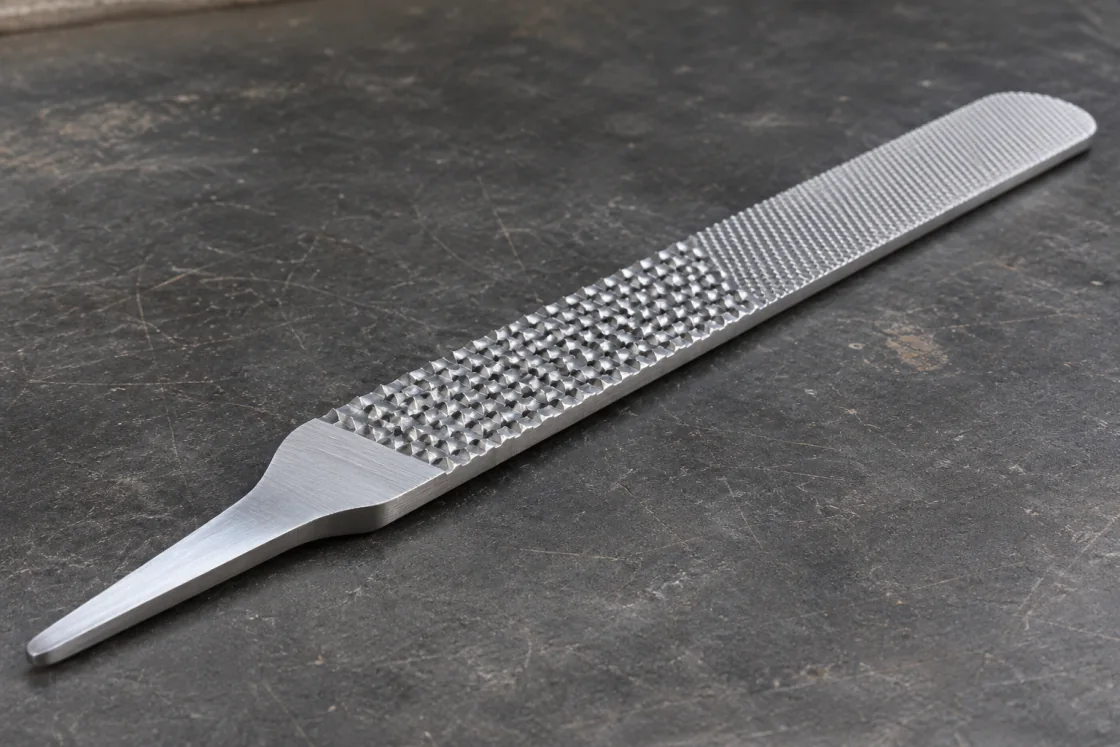
A Side View That Shows the Shoulder
A photo aligned with the blade helps show the transition from cutting face to tang. Include it with a top-down picture. An apparently similar steel body can present a different shoulder, insertion length or grip clearance.
Catalogue Candidates and the Differences to Record
Our flat double-sided model lists multiple widths and lengths. The straight 14- and 16-inch model gives a separate body and grip reference, and the unhandled hoof rasp is a candidate when you already have handles. Compare exact dimensions and function against the original.
- Straight double-sided
- Check face widths and tooth work
- Stocked grip
- Check outline and length where it meets the blade
- Bare body
- Check tang against your existing handle
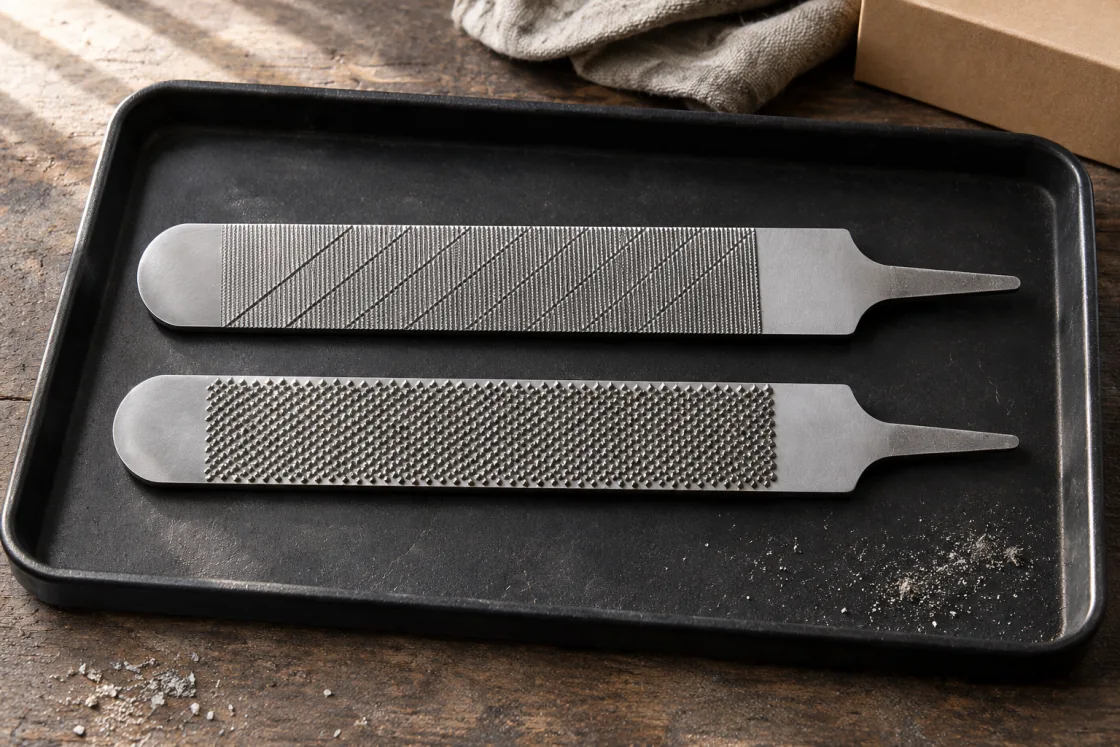
Matching Both Faces Before a Trial
Match each face to its job in your current assortment. Record tool markings privately if they identify an existing model and share practical requirements such as tooth direction or width. A photograph under angled light makes the two distinct textures easier to review.
A Pilot Approval with Measured Differences
A sample can match the length and still be unsuitable when the working width or insertion depth differs. Record those decisions before the trial. If a worn tool is the only sample available, mark the wear and identify the dimensions you can read from an unworn area or a reference drawing.
- Original
- Functional face, outline and confirmed measurements
- Candidate
- Photo or drawing at the same points
- Approved differences
- Buyer acceptance, sample ID and revision on the quote
Quote Details for a Replacement Run
Send the intended trial count, purchase volume and packing after the geometry has been identified. Ask for any new tooling or matching work to be quoted separately. Use the drawing-based order guide if the new tool needs a revised shape instead of a like-for-like replacement.
- Reference part
- Photos, measurements and role
- Pilot run
- Quantity and approval method
- Production
- Expected volume and target delivery
- Packing
- Labelling and physical protection
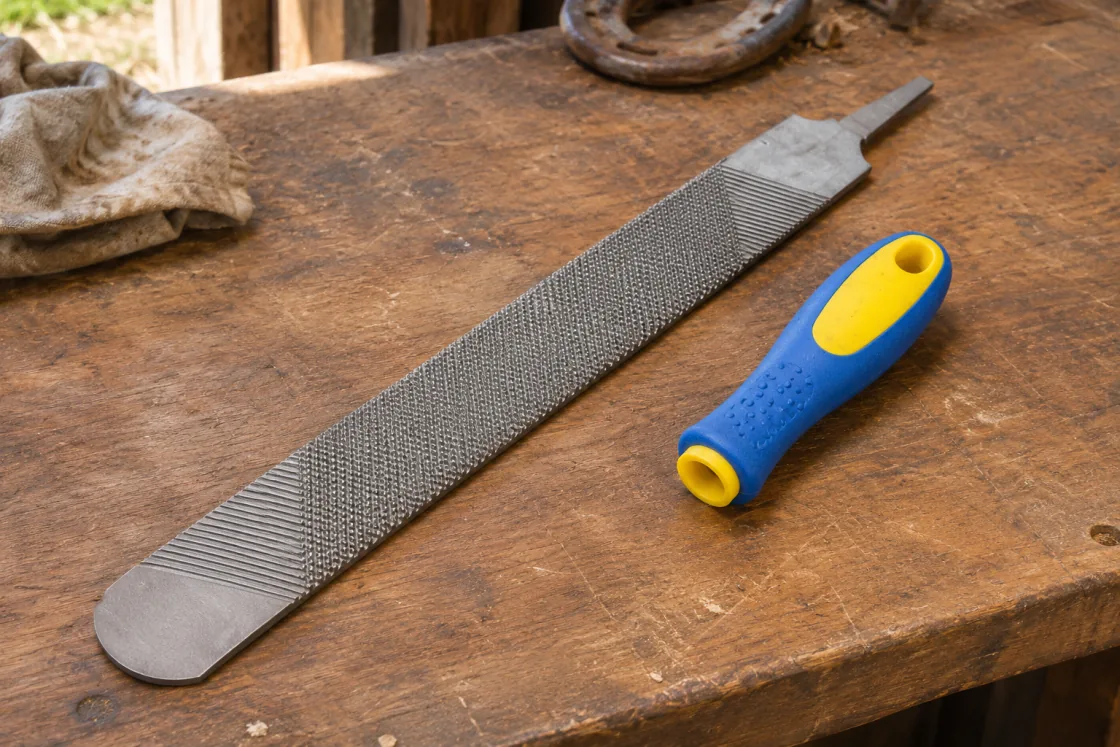
An Unhandled Body for an Existing Grip
Use the bare-tang and handled rasp guide to check the interface before committing to a replacement. Hold the sample alongside the intended grip and compare the insertion geometry. Keep the tang measurement with the order.
The Reorder Reference After Approval
A signed-off sample is easiest to follow when the quote, order and receiving records use its revision. The repeat-order guide shows how to keep that connection after the pilot delivery.
- Approved reference
- The correct sample and revision
- Purchase order
- The model, configuration and quantity
- Receiving
- Compare against your retained reference
A Replacement Request with a Clear Target
Send photographs and dimensions, your planned trial quantity and the part of the tool you need to reproduce. If your design starts with a drawing, see our OEM page.