
Stainless Steel and T12 Hoof Rasp Sourcing
The catalogue gives several material comparisons. The 14-inch T12-labelled model lists a 5 cm face-width option and a plastic grip. The 14-inch T12-labelled file has standard and double-ended selectors. We list 16-inch coarse stainless and double-sided stainless alternatives. Ask for the exact material and finished hardness on the quoted model when they determine acceptance.
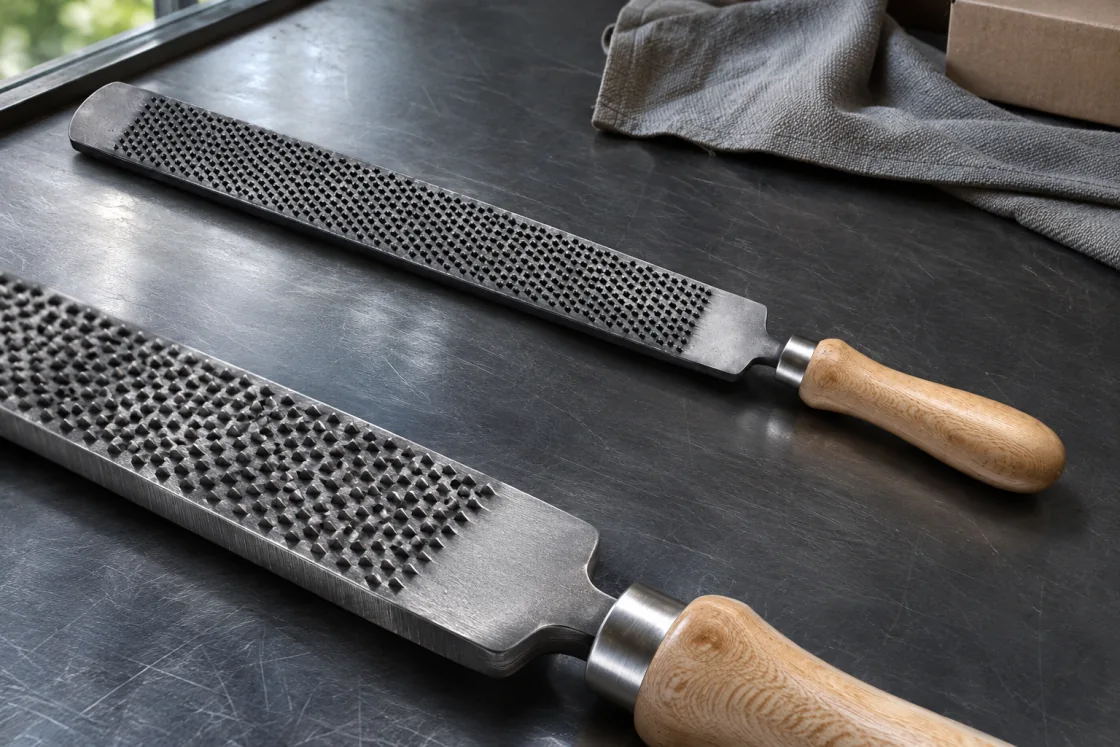
Material Labels and the Evidence for Each Order
Grade designation, surface treatment and measured hardness are separate purchasing fields. Confirm each with the actual order reference.
| Catalogue model | Listed specification | Confirm before placing an order |
|---|---|---|
| T12-labelled flat model | 14 in, 50 mm option, plastic grip | Steel specification and working-face geometry |
| T12-labelled end options | 14 in standard or double-ended, rust-prevention coating described | End configuration, grade and finish |
| 16-inch coarse stainless | Coarse double-sided stainless steel listing | Stainless grade and any stated corrosion requirements |
| Flat alloy-steel model | Catalogue identifies alloy steel and HRC 55–62 | Use this range for the stated model only and clarify test position |
Stainless Steel Catalogue Candidates
The stainless double-sided horse hoof rasp and 16-inch stainless model give two starting points. Ask which grade would be supplied in your configuration and share the conditions you expect the tool to face.
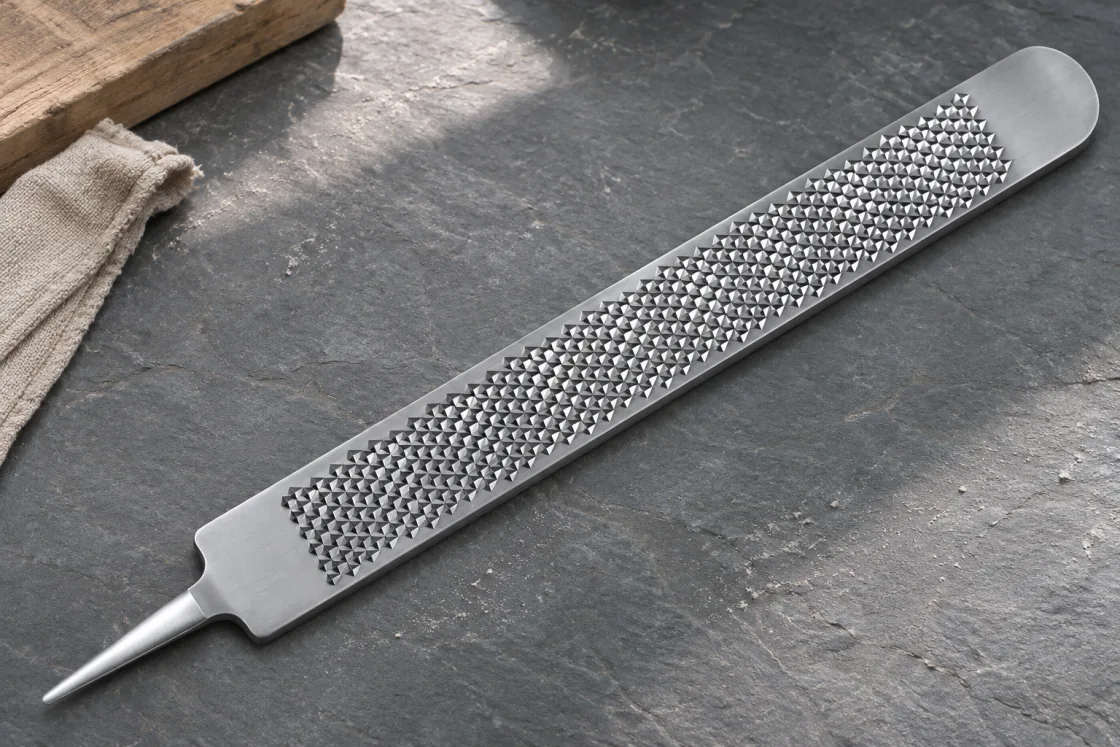
Keep Steel and Finished Hardness Separate
Ask for the steel designation and the scale, test position, sample ID and approved hardness range. One reading on a different model or different spot on the same tool leaves the ordered face unverified.
- Material
- Grade and supporting record for the quoted product
- Finished face
- Scale, measured location and accepted range
- Lot
- Batch reference linking the report to your delivered configuration
14-Inch Models Listed as T12
Our 14-inch T12 model with plastic handle and 14-inch T12-labelled hoof file give two catalogue candidates. Treat the labels as starting references and ask us to confirm the exact specification for the sample you request.
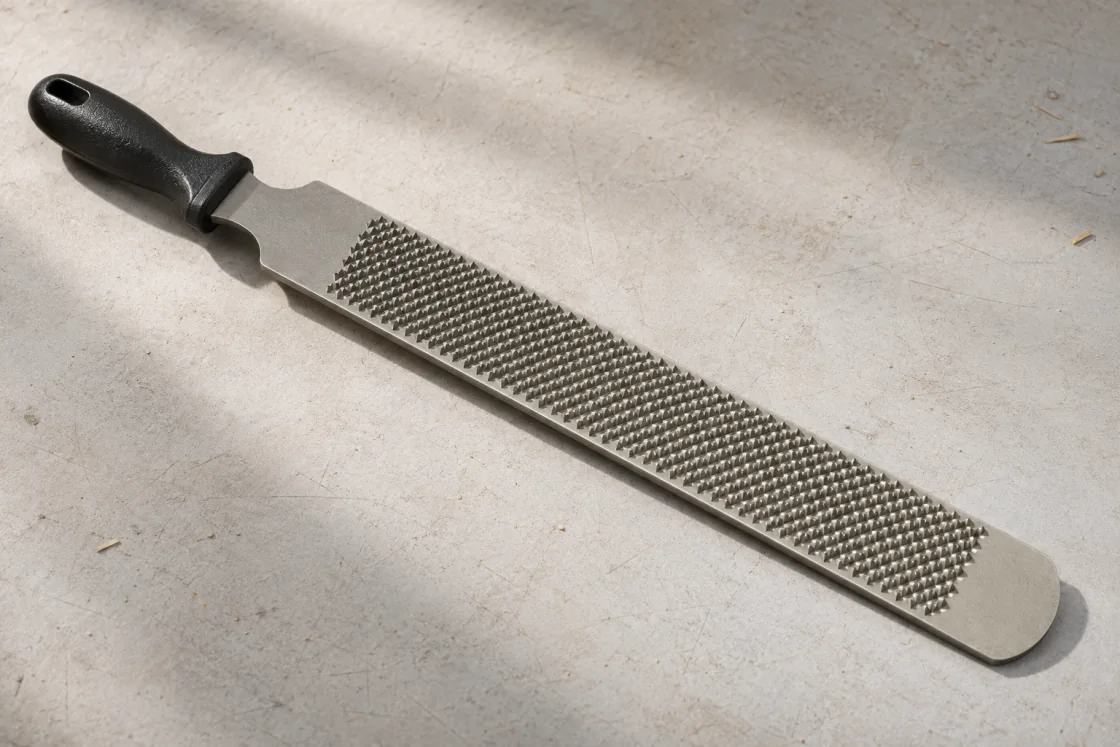
A Finished-Face Hardness Requirement
If you require HRC, state the range, position, scale and documentation you expect. A reading from a different part of the tool or a different steel model answers a different question. Tie the number to the piece you accept.
- Scale
- State HRC or your agreed method
- Location
- Identify face and test position
- Record
- Note sample or lot and agreed range
From Grade Specification to Sample Approval
Send your preferred grade, drawings or benchmark and the exact model. Agree the sample and document requirements, then record the accepted version with the order. Our sample and batch approval guide covers retaining that link.
- Specify
- Your grade, face and intended use
- Review
- Supplier confirmation and sample scope
- Approve
- Record results by model and revision
Surface Condition for Handling and Storage
A legacy attributes row may mix terms from different products. Use the title, current selectors and agreed specification to identify the model, then confirm ambiguous values before printing them on a quote or shelf card. On a coated configuration, record the actual surface condition and protective packing separately from the steel grade.
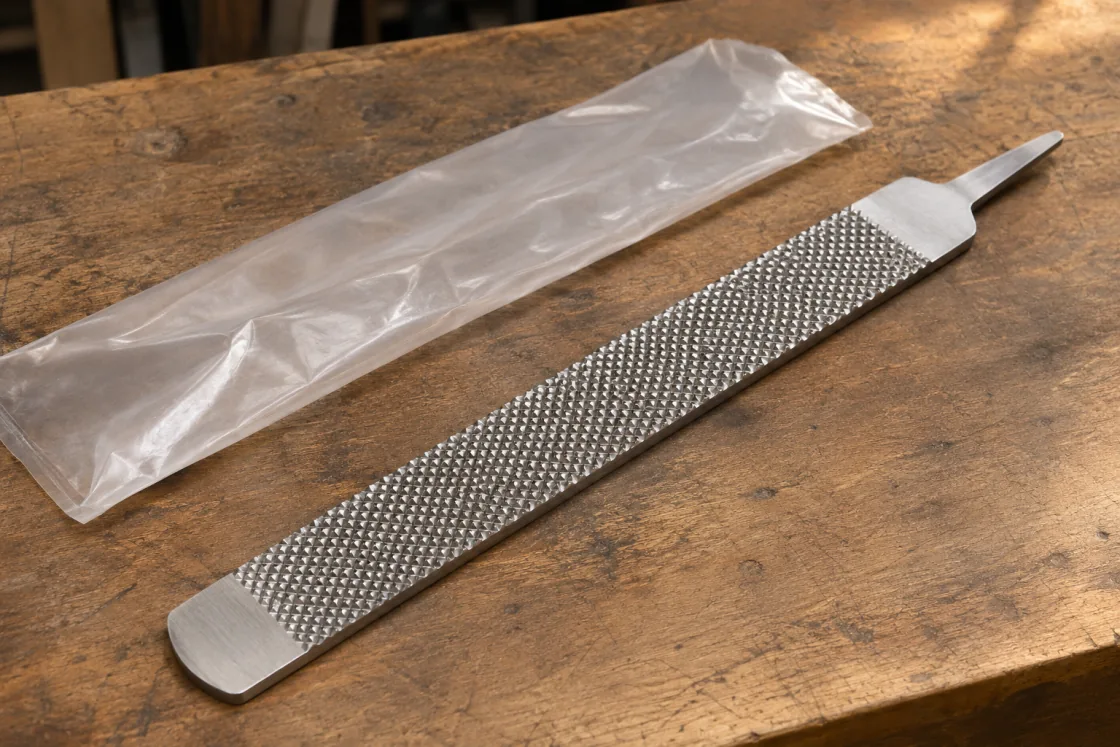
A Quote with Verifiable Material Details
List the requested steel, the handling environment and the hardness criterion on separate lines. That makes it easier to compare the same specification from sample through delivery.
- Quote request
- Model, grade and order volume
- Evidence
- Agreed material and working-face records
- Acceptance
- Document the exact sample you approve
A Material and Hardness Quote for Your Model
Share the grade, use conditions, your expected hardness range if applicable, sample quantity and destination. We can discuss the right documentation for the model.