
Mixed Wholesale Orders for Files and Rasps
Use one line for each actual configuration in a mixed RFQ. A 14-inch hoof rasp, a 10-inch wood rasp, a regular taper saw file and a replacement handle each require different sizing information. Give us the product links, units by line, receiving location and packing priorities so the proposed order can be checked model by model.
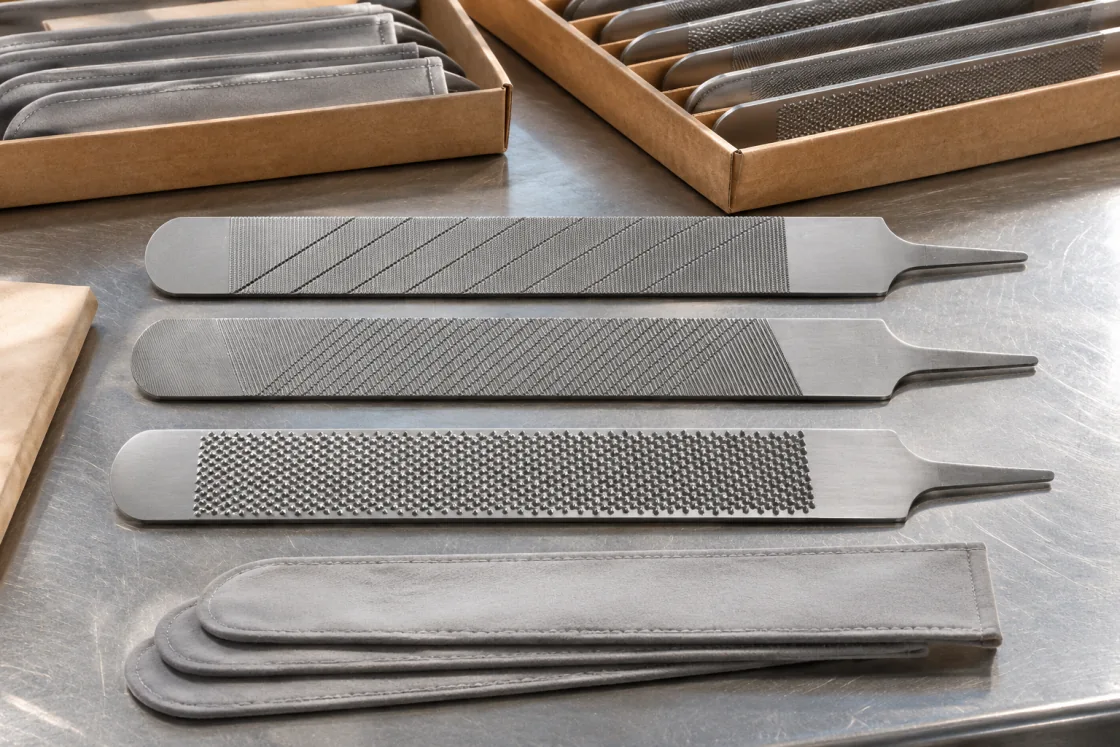
A Mixed Request with Real Catalogue Lines
This example shows how to write a multi-model request. Add your quantities and any selections that need confirmation.
| Catalogue item | Line to put on your request | Decision to keep separate |
|---|---|---|
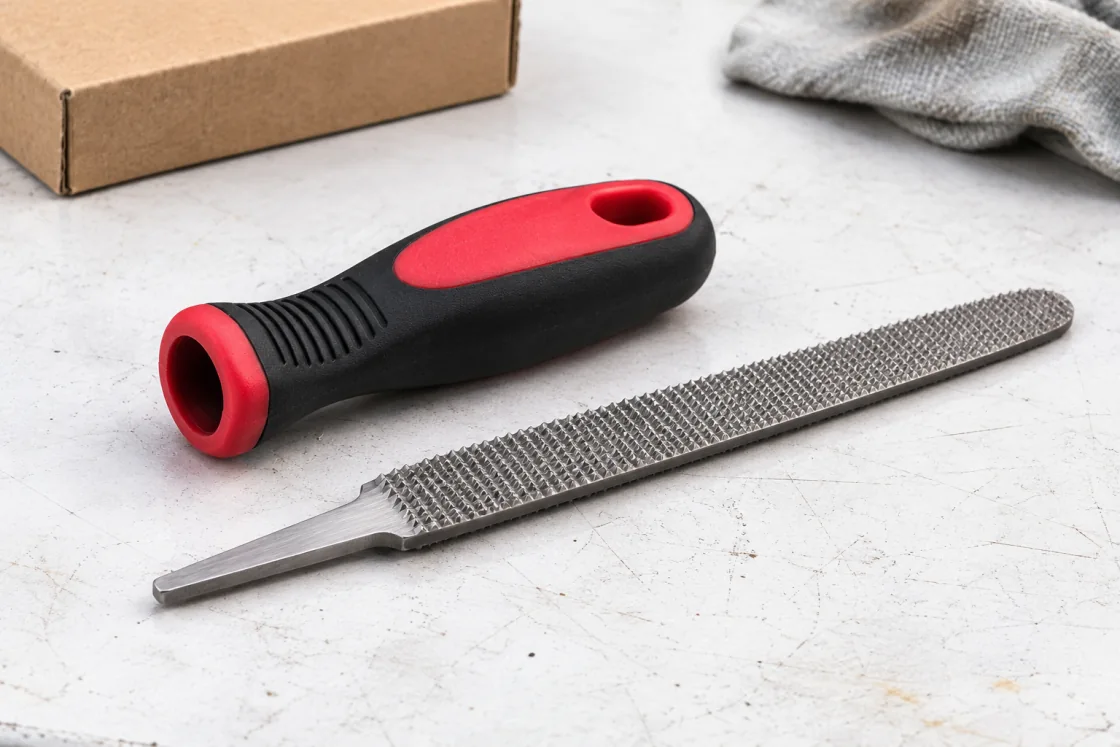
| Bare stainless hoof rasp and soft-grip handle | Silver bare body plus the requested handle model | Order as two items and confirm tang/socket fit on samples |
| Double-cut hand file | File profile, selected length and required cut | Include grip if required, and keep the finish target with this line |
| Flat wood rasp | 10 in if required, with coarse or medium cut | Identify handle and intended workpiece |
| Regular taper saw file | Triangular profile and exact 4–8 in catalogue length | Use tip/heel face widths for the tool you service |
Rasps and Spare Grips in the Same Request
Our stainless unhandled rasp and soft-grip replacement handle are examples of items you may ask us to quote. Add the tang and socket dimensions to the inquiry so the fit can be checked with a sample before you buy both items as a set.
Metal, Wood and Sharpening Lines
For a hardware range, use a double-cut hand file, a flat wood rasp and a regular taper saw file as examples of distinct quote lines. Give each line the profile, intended application and variant you expect to receive.
- Metal
- Profile, cut and length
- Wood
- Contact shape, handle and tooth grade
- Sharpening
- Tool profile, matching gauge or diameter
Model Identification for Receiving
Your receiving team should be able to match a carton to a line on the quote and packing list. Tell us how you identify each size or cut in your inventory system, especially when two tools look alike in their packaging.
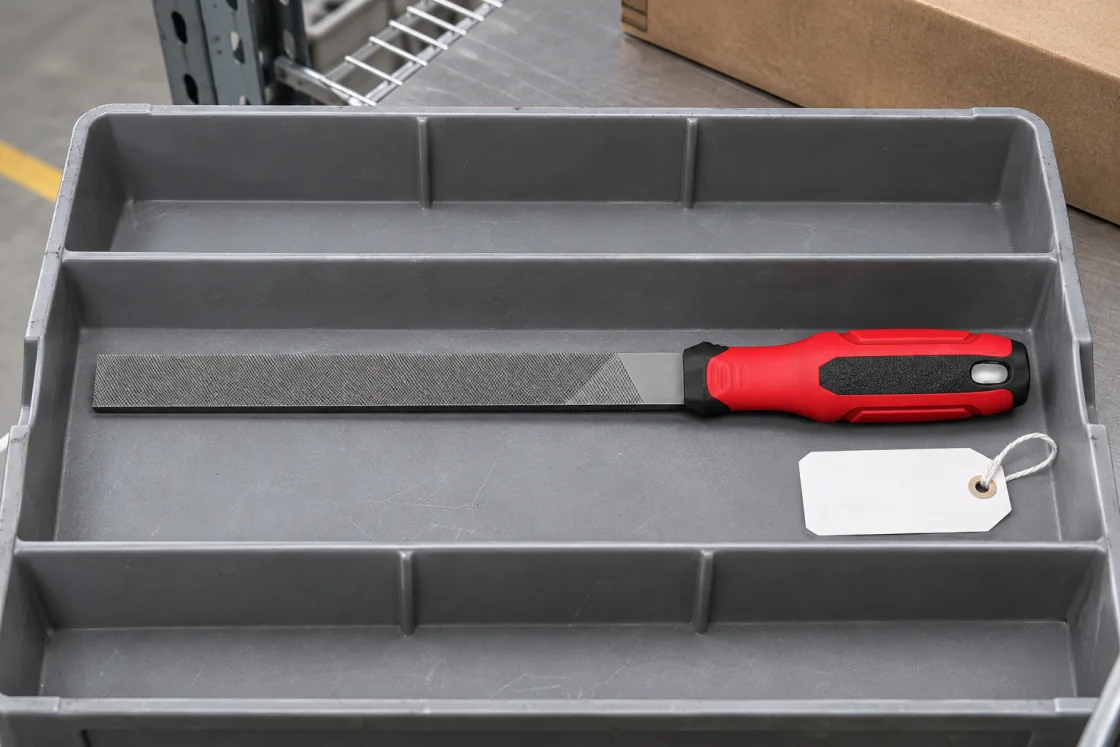
Compare Packing and Readiness by Line
Keeping one request number is useful. Each line can still require different protection, a separate label or a fit sample. Ask which items can share a shipment and how each model will appear in the packing list.
- Order line
- Model, selected size or cut and quantity
- Packing line
- Unit package, carton ID and any loose accessory
- Dispatch line
- Common destination, priority and split-shipment preference
A Shared Shipment Plan
Identify the items you need to receive together and any line that can move on its own. Discuss the readiness of each part and what a partial shipment would mean for your stock. Add packing requirements before the order is confirmed.
- Consolidated receipt
- Common delivery destination and priorities
- Separate release
- Line readiness and receiving needs
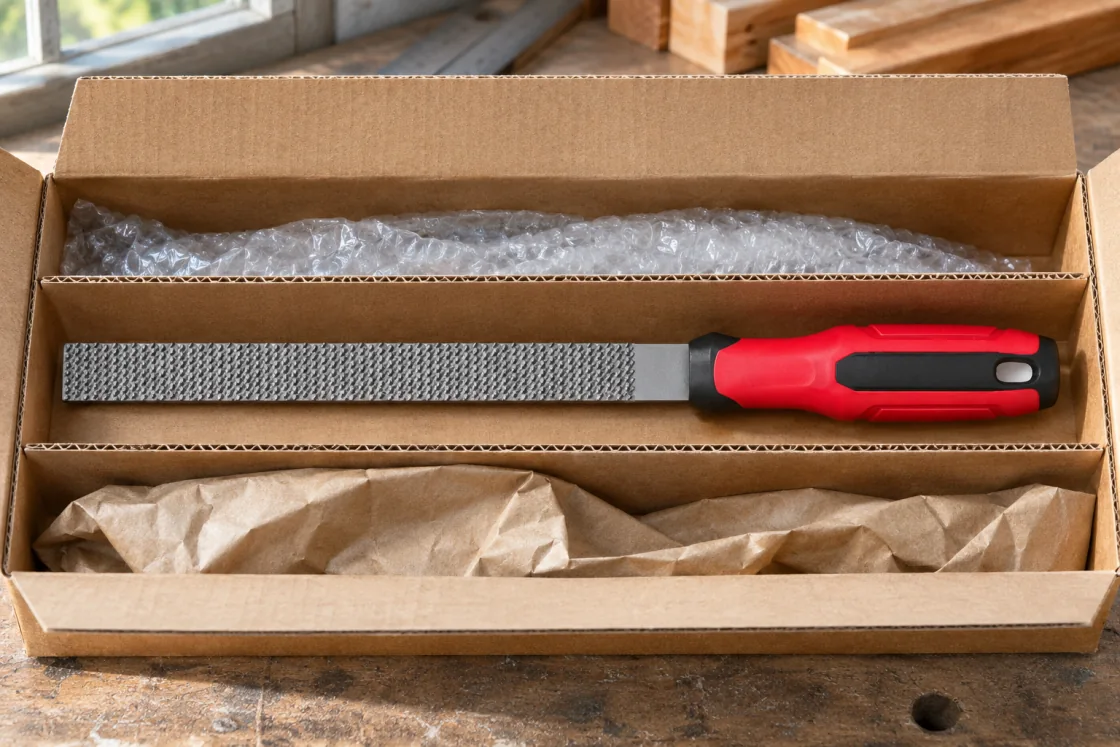
Protected Working Faces in a Mixed Carton
Long steel files, wood rasps and small accessories can need different protection. Ask for dividers or retention where needed, then check the proposed carton layout to make the guide part of your specification.
A Quote Review That Matches Receiving
Check whether the quote identifies each model and whether the carton count can be read back to that model. For a rasp and handle, retain the fit check on their two linked lines. For different file profiles, keep the SKU, exact sample and package together.
- Item check
- Exact product and version
- Fit or cut check
- Approved sample where the selection depends on measurement
- Receiving check
- Same line identification on quote, carton and packing list
A Mixed Order Ready for Review
Send the product links, estimated quantities, destination and receipt priorities. Include drawings if two components need to fit together.