
A First Wholesale Hoof Rasp Assortment
A practical first assortment can cover four jobs with four recognizable models. The 14-inch double-sided rasp is a daily full-length line. The curved radius rasp, 104 mm flat block and 44 mm listed-width mini with rubber grip serve distinct contour, local-contact and grip needs. Sample the different functions before you put several near-duplicate models on the shelf.
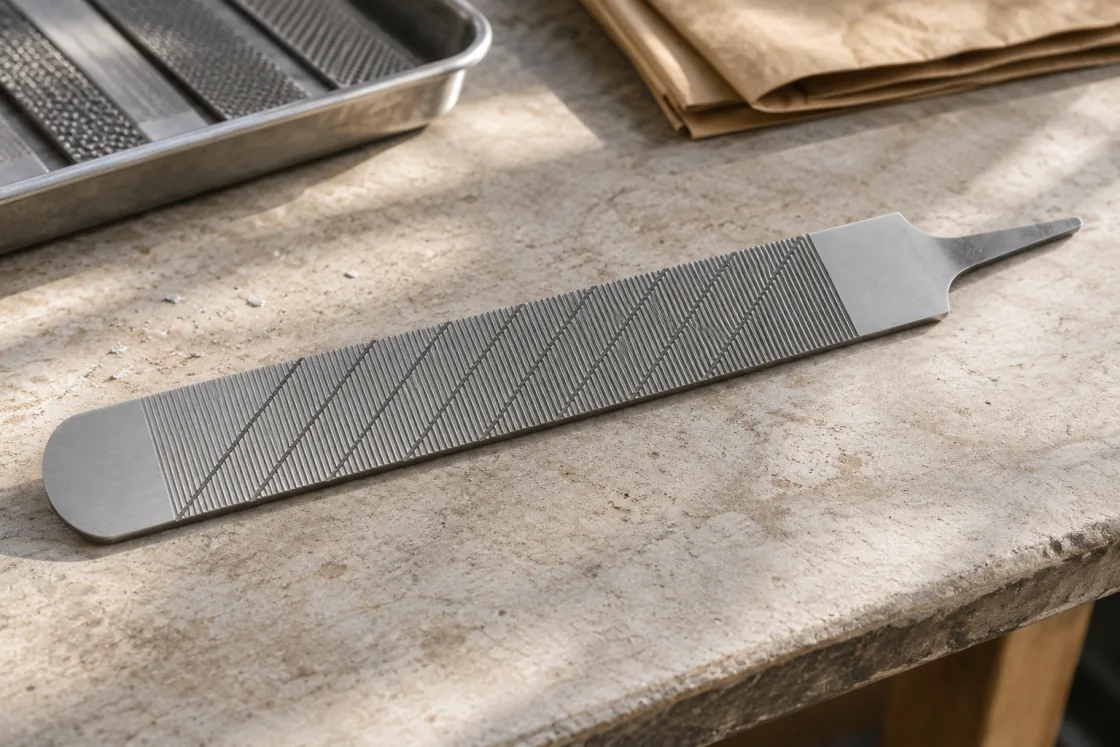
Four Roles in a First Wholesale Range
Use one order line per configuration. A first sample order is useful when the four positions do different work for your customers.
| Stock position | Catalogue reference | What staff should record |
|---|---|---|
| Daily carry | 14-inch flat two-face model | Choose 45 or 50 mm listed body width and record both faces |
| Contoured contact | Stainless radius rasp | Coarse and fine teeth listed, request a side profile and usable width |
| Localized flat work | 4-inch flat block | 104 × 40.5 × 4 mm listed, coarse or medium cut |
| Compact grip | Mini rubber-grip rasp | 44 mm width option, verify usable length and both cuts |
A Full-Size Everyday Model
Our flat double-sided hoof rasp lists 9- and 14-inch configurations. Use the 14-inch option when comparing full-size stock. Include a rubber-handled carbon steel model if buyers at your counter regularly ask for a ready-to-use grip.
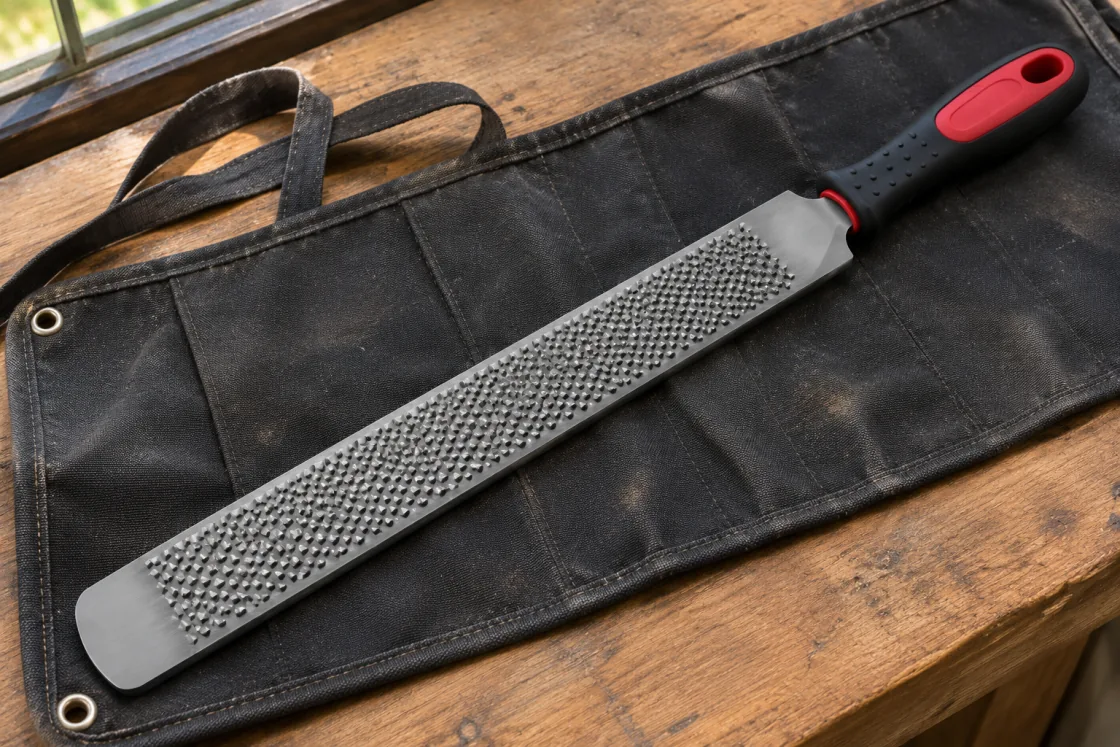
Curved Tools and Short Blocks
Our curved radius rasp and 4-inch flat block address different contact and reach needs. Give each one its own shelf label so a customer can distinguish a contoured face from a short tool for a small working area.
- Curved body
- Check the profile and tooth placement
- Short block
- Check the face area and flat or curved shape
The Small Handled Slot in the Range
A mini double-sided steel rasp with rubber grip gives you a compact handled choice. Compare it with a small model listed for your customer’s use and check the active face width on the sample before you commit to receiving more than one mini configuration.
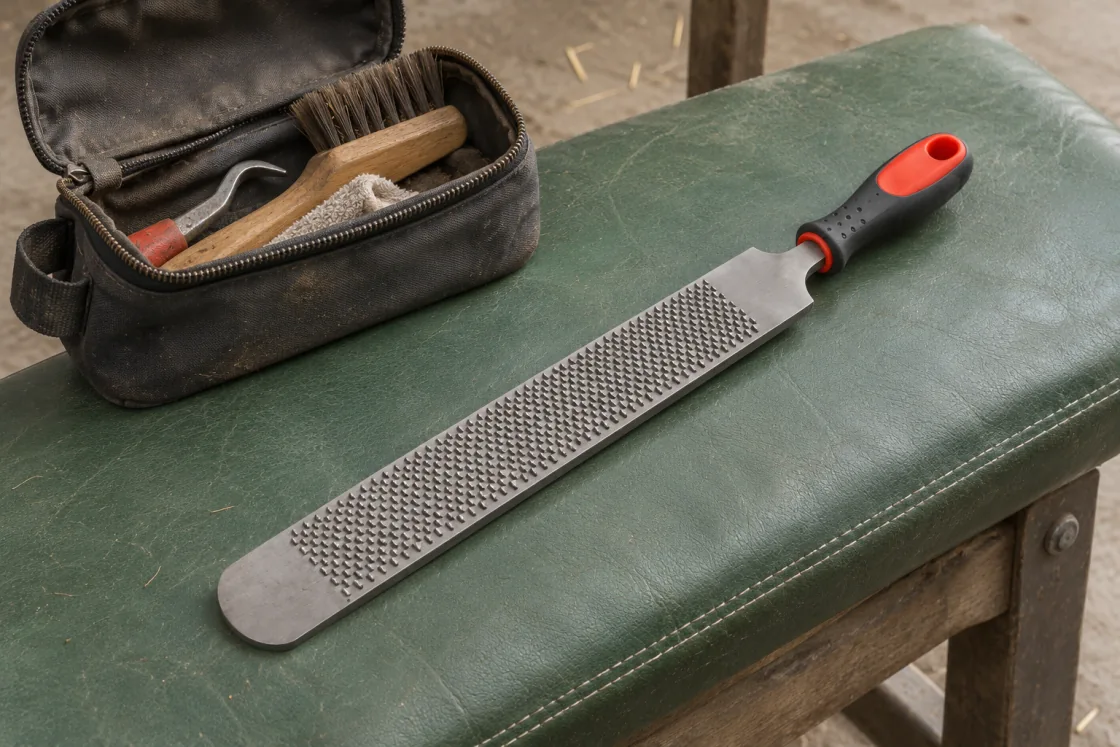
A Trial Stock Sheet for Four Distinct Tools
Describe the role and the part number together on the receiving sheet. Keep the curved model and flat block in different labels. A shorter rasp with a handle is also a different stock line from a block without a separate handle.
- Daily line
- Full-length, width, rough and finishing faces
- Shape line
- Curved profile, working width and both cut faces
- Block line
- Flat block, selected cut and pack
- Mini line
- Rubber grip, active length and width
A Sample Review at the Counter
Invite a few customers or staff to compare the actual shape, grip and working face. Keep the feedback tied to the model and let the feedback decide which items need a second order. Our sample record guide provides a way to keep those references.
- Compare the shapes
- Pick the uses you want to cover
- Review the hand fit
- Use physical samples
- Track first sales
- Record interest by configuration
Packing Suited to Your Channel
Check whether each item needs a shelf-ready unit pack or protective bulk packing for local fulfilment. A short block can occupy a different pack size from a full-length rasp. Box labels should make those differences visible at receiving.
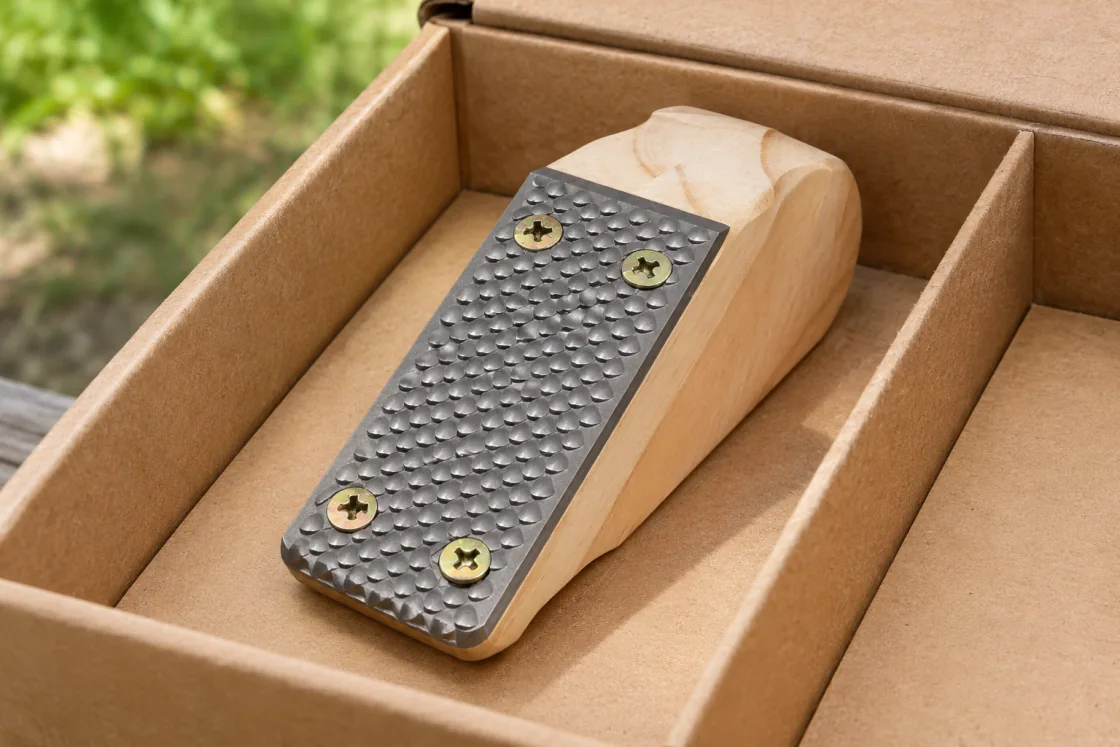
Reorder Decisions from Shelf Feedback
Ask customers to identify the aspect that drove their choice. A 45 mm versus 50 mm request belongs to the 14-inch width guide. Requests for a short contoured patch or a compact grip point to curved and block models or handled mini models. Save that feedback against the original trial stock line.
- Width demand
- Add a second documented body width only when buyers ask for it
- Shape demand
- Add the profile that meets the actual contact area
- Grip demand
- Separate compact handled work from block-format stock
A First Wholesale Order You Can Explain
Send us your customer mix, preferred models and initial quantities. We can discuss samples and an itemized quote by product and pack.